Over the years, I have seen many business ideas shine bright, only to stumble when money started running low. I think cash flow planning stands out as one of those simple, everyday habits that can shape a business’s future. To me, it’s less about fancy charts and more about understanding what comes in, what goes out, and what stays available at the end of each month. In my experience, strong cash flow habits improve decision-making and remove a huge amount of stress for business owners. So, if you have been searching for a straightforward approach, let me share the steps I’ve found most effective.
Why cash flow planning matters
Cash flow is like the weather. If you know what to expect, you bring the right jacket. If you don’t watch it closely, you get caught in the rain. For small businesses, even a profitable month on paper can feel tight if the bills are due and customers are slow to pay. That is why I make cash flow planning a routine, not an afterthought.
What you track, you can improve.
I have watched businesses become more confident once they could see their financial landscape clearly. Knowing when and how money moves allows you to prepare for tough periods—so a great idea does not get buried under a late invoice.
1. Know your starting balance
Every habit begins with awareness. The first thing I do is check the actual cash sitting in business accounts. This is not the same as profits or assets; I am talking about real, available money. It doesn’t matter if your business is brand new or has history. Starting with this number ensures your plans are grounded in reality.
2. List all expected cash inflows
It’s not enough to say, “Money is coming.” I always make a detailed list of sources and expected arrival dates, including:
- Customer payments (who, how much, and when they pay)
- Loans or outside funding
- Any side income or grants
By knowing the timing and source of each deposit, you can prevent surprises and plan spending with more confidence.
3. Write down all cash outflows
This step tends to be a bit daunting, but it is necessary. I break my expenses into categories, always including:
- Rent or mortgage
- Payroll and benefits
- Suppliers or inventory orders
- Loan or interest repayments
- Utilities, software, insurance, taxes, and other bills
Even smaller recurring costs can add up. The main point is to be thorough from the beginning, because the smallest missed expense can derail an otherwise solid plan.
4. Build a cash flow forecast
Now comes the step where numbers start to make sense. I map out the next 3-12 months, listing inflows and outflows for each period—usually broken down weekly or monthly, depending on how busy the business is. It does not need to be complicated; a spreadsheet can do the job.
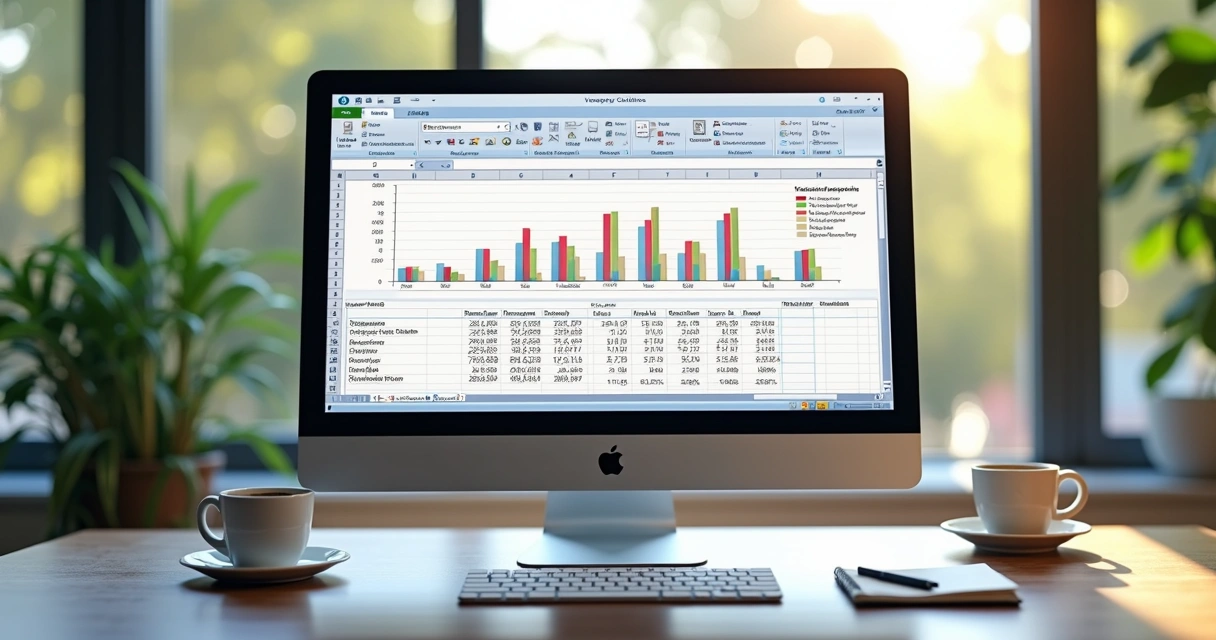
When I fill in each week or month, I can see when money might be tight. Forecasting in this way gives me time to act before any problems become overwhelming.
5. Look for patterns and timing gaps
When you line up incoming cash next to outgoing bills, something almost always pops out. Sometimes it’s a slow sales month right before big expenses, or maybe customers tend to pay late just as payroll is due.
Cash flow gaps aren’t always a sign of failure—they are signals for action.
When I found recurring cycles, I started talking to suppliers about moving payment dates, or I offered gentle reminders to late-paying customers. Adjusting small timing issues often made a bigger difference than chasing more sales.
6. Prioritize payments and set reminders
After identifying upcoming shortfalls, I look at what must be paid, and what can be delayed if needed. I always:
- Mark payroll, taxes, and key suppliers as non-negotiable
- List flexible expenses that could be moved if cash gets tight
- Set calendar alerts or reminders at least a week in advance for critical payments
Missing a big payment by accident is one of the most painful and avoidable setbacks I’ve seen.
7. Watch actual cash flow against the forecast
This is where it gets real. I compare what I thought would happen with what actually did. That means checking deposits, following up on overdue invoices, and quickly noting any bills that were larger than expected. Doing this at least once each week—sometimes even daily—helps me stay ahead without feeling overwhelmed.
8. Prepare for slow periods
Even the best businesses have lean spells. When I see a quiet month coming, I focus on building a small buffer. Sometimes this means:
- Cutting back on flexible spending
- Postponing larger purchases
- Checking if short-term credit lines are in place as a “last resort”
If my forecast shows a consistent pattern of lean months, I plan my bigger investments right after periods where cash is likely to be more plentiful.

9. Review and adjust the plan regularly
Cash flow planning is not something I do once and forget about. Every month brings little changes—a new project, unexpected repairs, or a supplier switching terms. I look at the plan at least once a month and compare it to actual figures.
Regular review means you are always working with the most accurate view of your business’s financial health.
Sometimes, the only change is a small reminder to send invoices out a day earlier. Other times, I spot a chance to negotiate a better deal or to clear out some old inventory. Either way, the plan becomes more accurate over time, and my confidence grows alongside it.
Common cash flow planning mistakes I have seen
I’ve noticed patterns in where people trip up with cash flow planning. Some of the most frequent include:
- Counting on sales before money is actually received
- Forgetting about seasonal swings—or unexpected repairs
- Underestimating small, slow-drip costs
- Overlooking taxes or government fees
- Not reviewing forecasts against reality often enough
Keep it simple, keep it honest, and update it often.
For me, using plain language and real numbers has always worked better than the most advanced tools.
How to get better at cash flow planning
I recommend starting small. Track everything for a month or two. Don’t worry if your forecast is not perfect—it won’t be at first. The goal is to get good at spotting trouble before it happens. Ask yourself:
- Do I know my cash position every week?
- Am I ready for a shortfall?
- Are my payment and invoice dates set to match cash cycles?
With regular attention, cash flow management becomes a habit rather than a chore.
Final thoughts
Over time, I have realized that cash flow planning is not about predicting the future perfectly. It is about being ready to act, before a missed payment or an unexpected bill puts things at risk. These nine steps are simple, but from my perspective, they really add up. I think every small business owner deserves that peace of mind.
There may be tough weeks, but with clear eyes and a steady routine, you will always know where you stand.