For a long time, I hardly paid attention to nutrition labels. If the food looked healthy and the packaging had words like “natural” or “light,” I happily tossed it in my basket. But one day, after eating what I thought was a wholesome snack bar, I noticed a surprising sugar rush. Curiosity pushed me to check the label. I was stunned—a single bar packed as much sugar as a donut. That experience changed how I shop and eat. If you also wonder how much sugar you’re really eating, let me guide you step by step.
Why nutrition labels matter
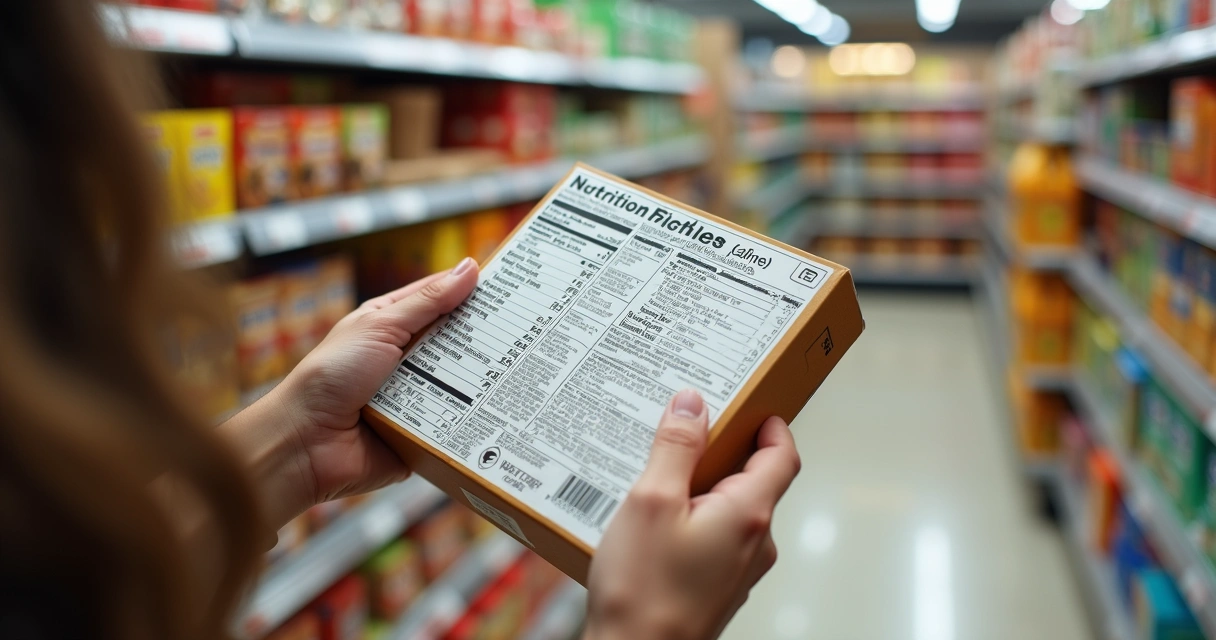
Nutrition labels are more than fine print on packages—they are my first defense to make informed food choices. These small boxes are full of helpful details, but they can be tricky to interpret, especially when it comes to sugars.
The sugar information on labels often hides the real story.
I remember feeling overwhelmed the first time I tried reading every line. What did those numbers truly mean for my health and energy? So I began learning what each part means and how to understand which details matter most.
Decoding the nutrition facts panel
Let’s look closer at the elements on a typical nutrition label, focusing on sugars.
- Serving size: The numbers on the label always refer to a specific serving size. I find it worth checking if my portion matches the packaging—or if I’m eating double by accident.
- Total sugars: This number shows all sugars in the food, both natural (from milk, fruit, etc.) and added sugars.
- Added sugars: Foods now often list how much sugar was added during processing. This is the number I pay extra attention to, because added sugars can pile up sneakily.
Serving size isn’t always what it seems.
Years ago, I bought a bottle of juice that seemed light on sugar. Later, I realized the low number was for half the bottle—not the whole thing. A good reminder for me to always check the portion information first.
How to find hidden sugars in the ingredients list
Reading the panel is just half the story. Hidden sugars hide behind dozens of names in the ingredients list. Sometimes, even foods that don’t taste sweet can contain significant sugars.
Ingredients are listed by quantity, from most to least.
Whenever I look for hidden sugars, I focus on these points:
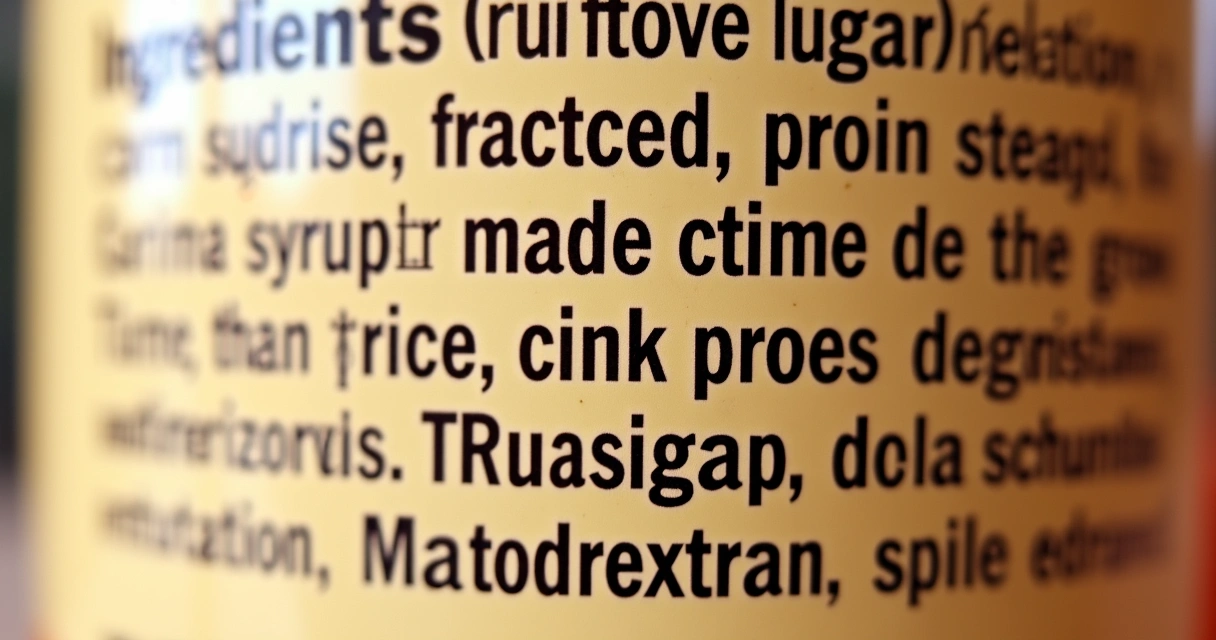
- Watch for “syrup” words like corn syrup, malt syrup, or brown rice syrup.
- Look for names ending in “-ose”—such as glucose, fructose, dextrose, or sucrose.
- Other common sugar names include honey, molasses, cane juice, agave nectar, maltodextrin, fruit juice concentrate, and evaporated cane juice.
In my experience, manufacturers often combine several types of sweetener to keep any single one from appearing near the top of the list. This smart trick makes it seem like there’s less sugar in the food.
Hidden sugars like to wear masks.
Sometimes, I see four or five sweeteners in a single protein bar. If a food has several of these names, even if they aren’t the first ingredient, I know it’s sweeter than it looks.
How added sugars differ from natural sugars
One important thing I learned: Not all sugars in food act the same way. Natural sugars found in fruits, plain yogurt, or milk come with fiber, protein, and nutrients, which change how my body digests them. Added sugars, by contrast, are pure sweeteners without benefits.
Added sugars enter the body quickly and can cause energy spikes or crashes.
Labeling rules now make finding added sugars easier, but not every product highlights them clearly yet—especially in smaller brands. If an ingredients list only includes “sugar,” with no breakdown, I have to be extra careful with other sweetener names on the list.
Common foods where sugars hide
After years of paying attention, I picked up on the “usual suspects” where sugars appear unexpectedly:
- Bread and wraps
- Pasta sauces
- Yogurt (even some “plain” ones)
- Cereals and granolas
- Salad dressings
- Nut butters
- Deli meats and sausages
- Flavored water and sports drinks
- Crackers and snack mixes
Years ago, I figured flavored yogurt was always a healthy breakfast. Until one day, comparing the label to a can of soda, I realized the yogurt had nearly as much sugar. That changed my breakfast routine for good.
What sugar amounts mean in real life
Sugar is listed in grams, which isn’t how most people think about sweeteners. I use this mental shortcut:
- 1 teaspoon of sugar = 4 grams
If something has 20g of sugar inside, that’s 5 teaspoons—enough to sweeten a big mug of coffee several times over!
I have often caught myself buying products with 18g or 25g of sugar per serving without realizing it means 4-6 teaspoons in one snack. Remembering the teaspoon conversion helps me think twice.
What daily sugar limits look like
Most people eat more sugar than they realize. Health guidelines suggest limiting added sugars to about 25-36 grams per day for adults, or 6-9 teaspoons. That’s easy to reach without meaning to, especially when sugar is hidden all over the place.
Added sugars build up quickly—and sometimes silently—in everyday foods.
To stay aware, I sometimes track my sugars for a day. Jotting down the amounts from labels makes it easier to spot patterns. I learned that my “healthy” granola and juice breakfast sometimes matched my total daily recommended intake in just one meal.
Tips for low-sugar shopping
Over the years, I developed a few simple habits that help me buy lower sugar foods without stress or constant tracking. Here is what works for me:
- Start with the ingredients list. The fewer sweetener names, the better.
- Compare similar products. For instance, check two brands of pasta sauce or cereal and pick the one with less sugar.
- Look for unsweetened versions—like plain yogurt, nut butters, or oatmeal. Then, if I want, I can sweeten lightly myself with fruit.
- Beware claims like “reduced sugar” or “no sugar added”—they sometimes still have high overall sugars, especially from concentrated fruits.
- If a product’s label seems unclear or tricky, I usually move on and choose something else.
The more often I follow these habits, the easier it gets. I rely much less on willpower and more on routines that fit my life.
Red flags for sneaky sugars
Even after learning all this, I still get surprised. Here are some red flags I keep in mind that signal a food may be packed with hidden sugars:
- More than 8g of sugars per serving in savory foods (like sauces or crackers)
- Ingredients list has several different sweeteners
- Nutrition label shows grams of sugar, but serving size is tiny (like half a bar or 4 small crackers)
- Sugar appears before the top five ingredients
I make it a little game: can I spot the sugar trap before I buy? This keeps me curious, not anxious, about what goes into my food.
When to enjoy a treat anyway?
No one wants to banish all sweets from life. Even after learning to spot hidden sugars, I treat myself sometimes. The difference now is that I do so with awareness. If I eat dessert, I skip sugary drinks the rest of the day. If I want a sweet breakfast, I pick a less sugary lunch.
Learning to read labels means choosing when to enjoy sugar, instead of being caught off-guard.
This shift helped me find more balance with food, feel better throughout my day, and even discover snacks I enjoy more than the ones I ate mindlessly before.
Final thoughts: Confident choices, not confusion
The first time I started flipping packages over in the grocery store, I felt awkward and slow. Now, label reading is quick and natural, almost automatic. I spot hidden sugars, pick what fits my day, and move on. It gives me more control, but also more freedom to just enjoy what I eat.
Small habits add up to big changes.
Learning to read nutrition labels turned out to make my shopping— and my meals—feel lighter and more intentional. Once you get used to it, it’s like reading a second language that helps you take care of yourself, one simple choice at a time.