Not long ago, while waiting in line at a local shop, I heard the person ahead of me ask for help. The response was a cold “That’s our policy.” In that moment, I saw the customer’s smile fade and their interest vanish. As someone who cares about the power of words, I realized how often a single phrase can quietly send business out the door. What we say to customers has the weight to build trust or break it in seconds. I’ve learned that even well-meaning front-line teams can lose good clients if they’re not careful with their language.
Why words matter in every customer interaction
It is easy to overlook small sentences, especially during a busy day, but these fragments of conversation stick with people much longer than we might think. I’ve seen firsthand how unfiltered remarks can make someone hesitate before returning to a brand. Even the tone behind the words can have a lasting effect, but it starts with the actual sentences we choose.
A careless phrase is sometimes all it takes for someone to walk away.
When customers reach out, especially with a problem or concern, there is a window to help and connect—or shut that window firmly. It pays to avoid the language that blocks trust and empathy at every turn.
Common phrases that make people leave
Based on my own observations and feedback I’ve received over time, here are the kinds of sentences that push people away without us even realizing it:
- “That’s our policy.”
- “There’s nothing I can do.”
- “You’ll have to…” (followed by an instruction that puts the problem on the customer)
- “It’s not my job.”
- “Calm down.”
- “You’ll need to speak to someone else.”
- “I don’t know.”
- “We can’t help with that.”
- “Actually, you’re wrong.”
- “Sorry, that’s just the way it is.”
These statements have something in common: they dismiss, redirect, or invalidate the customer’s experience. Every time I hear one, I think about how a small tweak in wording might have saved the connection.
What happens after you use the wrong words?
Having witnessed it more than once, I know that customers who hear phrases like these tend to do the following:
- Lose confidence in the brand’s ability to solve issues.
- Feel undervalued or even disrespected.
- Tell others about their negative experience.
- Give up and look for alternatives, sometimes for good.
The worst part? Most people won’t give you direct feedback. They simply don’t come back.
Why do we say these phrases?
Many times, it comes from stress, habit, or not having the right tools to respond. I remember my first job at a busy call center. There were difficult days when a script felt safe. But a script can’t replace genuine understanding, and customers notice when you’re on autopilot.
Other times, employees are caught between company rules and client needs. Still, using rigid or defensive language rarely makes things better. The truth is, every customer wants to feel heard and appreciated, no matter the outcome.
Phrases to avoid—and what to say instead
Through experience and training, I’ve learned that it’s possible to be both clear and gentle, even when the answer isn’t what a customer wants. Here’s a look at typical “turn-away” phrases compared with options that invite a solution:
- “That’s our policy.” Instead try: “Here’s what I can do for you today.”
- “There’s nothing I can do.” Instead try: “Let’s see what options are available.”
- “You’ll have to [action].” Instead try: “Would it be alright if I help you with this next step?”
- “It’s not my job.” Instead try: “Let me find the right person who can assist you.”
- “Calm down.” Instead try: “I can see why you’d be upset. Let’s work together to sort this out.”
- “I don’t know.” Instead try: “Let me find out for you and get back to you as soon as I can.”
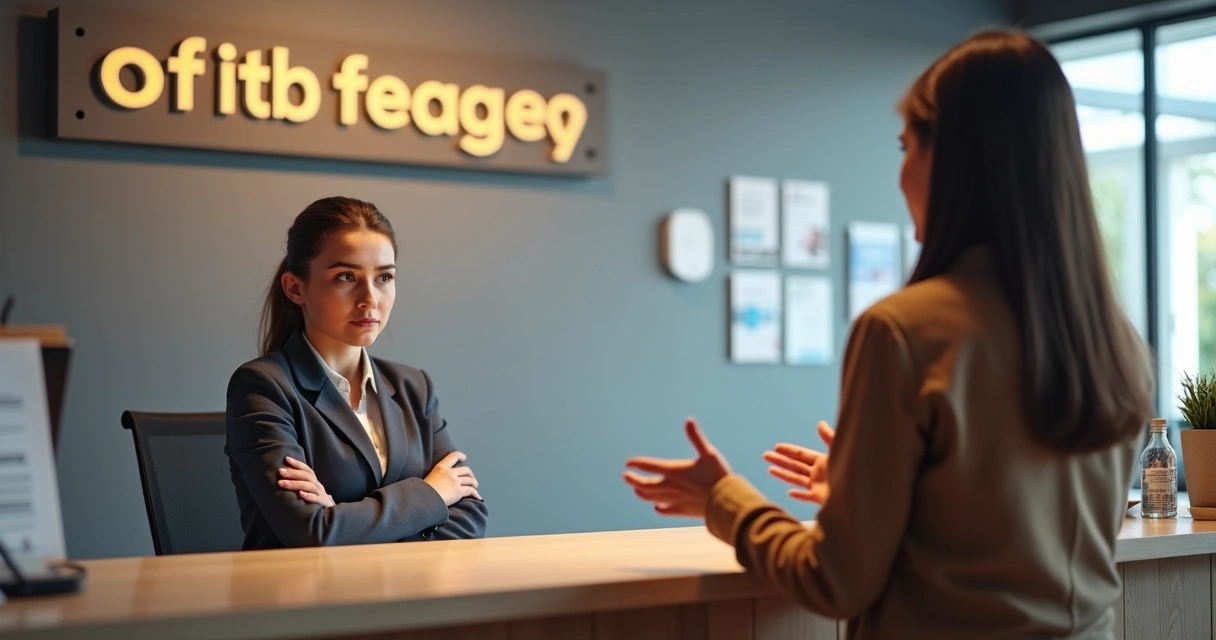
Words can keep conversations moving or shut them down. Replacing dismissive phrases with supportive language turns frustration into opportunity. A sincere “Let’s see what can be done” holds much more hope than a blunt “No.”
How tone and empathy change the outcome
It’s not only about what we say, but also how we say it. I’ve tested this myself, when the same sentence delivered with a friendly voice and relaxed posture gets a much warmer reply. People can sense when you actually care. A small pause to listen, keeping the tone open, can soften any negative news.
Once, I had to let a customer know that their request was outside what we could offer. By acknowledging their feelings and showing a willingness to help, we both felt better—even though the answer didn’t change. That’s the difference empathy makes. Tone, pacing, and warmth make even difficult situations more manageable.
Phrases that show you care
Instead of writing rules in stone, here are some of the words and attitudes I’ve seen yield positive outcomes, even when the answer is “no”:
- “I understand how you feel.”
- “Thank you for bringing this to my attention.”
- “Let’s see what solutions we might find together.”
- “I appreciate your patience.”
- “Is there anything else I can do to help today?”
Even a small gesture of empathy can make a big difference.
People aren’t just looking for fast answers. They want to know someone is listening. In my experience, these small shifts give clients a reason to trust the person in front of them, and by extension, the organization as a whole.

Practical steps to refresh your language
If you’re not sure where to begin, here are simple ways to encourage more positive customer exchanges:
- Listen fully before replying—sometimes people just want to feel heard.
- Pause before speaking to give yourself time to choose your words.
- Keep your replies focused on what you can do, rather than what you can’t.
- Avoid making rules sound like walls; instead, explain the reasoning behind them if needed.
- Practice active empathy in words and in tone. This means acknowledging emotions, not just facts.
- Be honest, but also be as flexible as company guidelines allow.
I’ve found that taking a few seconds to rephrase a tough message is always worth the effort. It prevents misunderstandings and leaves both sides less stressed.
The lasting impact of a thoughtful answer
Every sentence from a support team, a cashier, or a manager is a chance to strengthen trust. When people feel brushed off, they hesitate to return and may share their story with others for years to come. A thoughtful reply, on the other hand, can turn a negative moment into a positive memory.
Choose your words as if every customer interaction will be remembered—because it probably will.
So next time you face a tough question or complaint, try to stop before stock phrases take over. Look for a way to say, “I’m here for you” even if the answer isn’t perfect. That one habit, in my experience, is what keeps people coming back.