When I think of jealousy, I picture the obvious: seeing my partner chatting with someone attractive, social media flirts, or even watching them laugh a little too long at someone else’s joke. But as I learned, the triggers that shape relationships are often much quieter. The small moments. The hidden details. They’re easy to miss, until you notice the way they slowly linger in the air between you and the person you love.
Understanding the quiet side of jealousy
I’ve come to realize that not all jealousy looks the same. Sometimes, it’s sharp and obvious. Other times, it creeps in without warning or logic. These hidden triggers, the ones I never noticed at first, can have just as much—if not more—power over how couples relate to each other.
It’s often the small things that change everything.
So, what are these subtle triggers? How can they shape our relationship, even when we’re not fully aware of them?
Unpacking the hidden triggers
Reflecting on my conversations with friends and my own experiences, I discovered a handful of jealousy triggers that usually slip under the radar. Here are some I’ve noticed:
- Attention to hobbies or passions. When my partner spends time on their own interests, whether it’s painting, gaming, or running, I sometimes feel left out. I used to think this feeling was just annoyance. Now, I recognize the hint of jealousy underneath—a quiet wish that I could be that source of joy for them.
- Success or recognition at work. Watching a loved one shine at work can make me proud, but on tough days, I’ve caught myself comparing. Why them, and not me? That little twinge can create tension if left unchecked.
- Strong friendships outside the couple. When my partner confides in someone else, I sometimes wonder what they can share with that friend that I can’t offer. It’s not about distrust; it’s about feeling replaced or less special.
- Talk of “the good old days.” Stories that involve former partners or cherished solo adventures can sting. I realize the past helped shape who they are, but it’s tricky not to compare myself to those memories.
- Inner changes and self-growth. If I see my partner changing, especially if they’re making positive changes I’m not part of, I sometimes worry about being left behind.
What surprised me most was how often these quiet triggers appeared when I least expected them. They show up in daily routines, not just during big moments.
Why do these subtle triggers matter?
I’ve found that ignoring these triggers doesn’t make them disappear. In fact, silent jealousy can turn into resentment over time. That’s why I pay more attention to how I react, even in small moments that seem harmless on the surface.
Hidden jealousy can quietly undermine trust in a relationship if it isn’t recognized and addressed.
When these triggers remain unnoticed, they don’t just create discomfort. They can also:
- Lead to unexplained irritation or distance
- Push partners to seek validation outside
- Make it harder to celebrate each other’s achievements
- Lead to subtle criticism or unnecessary competition
None of us want our relationship to be shaped by echoes that never get spoken about. I certainly didn’t.
What are some surprising scenarios that can trigger jealousy?
As I talked with other people, I learned that triggers can take unexpected forms. Some examples truly surprised me:
- Changes in appearance. When a partner starts getting compliments for working out or changing their style, it can sting—even when I want to be supportive.
- Spending time with family. Seeing my partner enjoy quiet moments with their family, especially if mine is far away or not as close, has brought up envy.
- Dedication to personal routines. If my partner wakes up early to meditate or stick to a running plan, I sometimes feel guilty or even left out if I’m not joining in.
- Being “emotionally strong.” There were times when seeing my partner cope better with setbacks made me question my own resilience.
These aren’t the classic movie scenes of jealousy. They’re everyday situations. But they still shape how I feel, how I respond, and sometimes how I love.
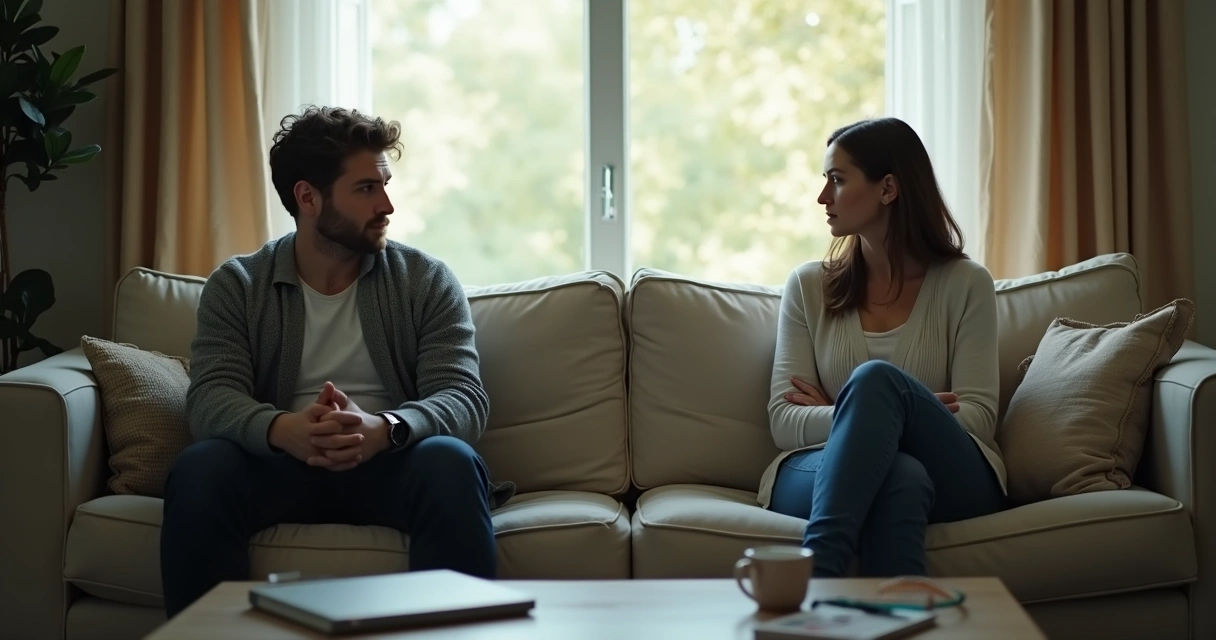
How do these triggers shape our reactions?
I came to see that jealousy, even unspoken, can show up in my behavior. For example, I might:
- Withdraw and become quiet, expecting my partner to notice something feels off
- Make small sarcastic remarks, almost to test if they care
- Try to “one up” my partner or match their achievements
- Ask subtle questions about their friendships or activities
Our reactions are often whispers, not shouts.
It’s easy to think that if I’m not yelling or visibly upset, there’s nothing wrong. But these small changes can shape the mood of the relationship in lasting ways.
What can you do once you notice these triggers?
The first time I admitted to feeling jealous about something “small,” I felt embarrassed. But sharing it lifted a weight and brought me closer to my partner. Here are some ways I handle these hidden triggers now:
- Recognize the feeling. I’ve learned not to judge myself for small pangs. It’s natural to feel jealous—even when nothing big has happened.
- Put words to it. When I name what I’m feeling (“I guess I felt left out when you told your friend that story first”), it loses some power.
- Find patterns. If the same things keep causing jealousy, I pause to consider why. Is it about missing time together? Or about needing some reassurance?
- Talk it through. Bringing these feelings to my partner—calmly and openly—usually makes both of us feel seen, instead of accused.
- Refocus on the relationship. Doing something together, like going for a walk or sharing an activity, often helps us reconnect.
These steps don’t remove jealousy from my life. But they help keep it from growing unchecked in the background of my relationship.
Is jealousy always a bad sign?
For a long time, I believed that jealousy was always toxic. Now, I see things differently.
Jealousy can be a signal that something matters to us—or that we need closer connection.
It’s less about the feeling itself, and more about what we do with it. When handled with care, even the smallest pang of jealousy can be turned into a moment of reflection and growth.

Final thoughts: small triggers, big changes
Looking back, I see that the unspoken moments in my relationship—those quick flashes of jealousy I didn’t notice—had an impact. Sometimes, they shaped my choices and words. Sometimes, they needed honesty and kindness to untangle.
Awareness can turn jealousy into understanding.
I know now that by paying attention to the small triggers, I’m better able to talk freely, connect deeply, and support my relationship with more trust. It’s not about getting rid of jealousy. It’s about noticing, speaking up, and growing together.
Small triggers often shape relationships in ways we only uncover when we start to look more closely.
Learning to spot them has helped me foster more openness and positivity in love, and that, I think, makes every day together a little lighter.