Adopting a child is unlike anything else I’ve experienced. It brings hope, a hint of anxiety, and often a feeling that the world is moving both too fast and too slow. The process can seem complicated when you’re standing at the beginning. But I’ve found that breaking it down step by step helps make it more human, more real.
Thinking through adoption
I remember the first time I sat down and pictured my life with a child through adoption. There was excitement, yes, but more questions than answers. Why did I want to adopt? Was I ready for the responsibility? Would my support network back me up?
Before anything official begins, taking honest time to reflect and ask tough questions is just as necessary as later paperwork. For some, this means quiet evenings journaling; for others, long talks with a partner or friends.
The 8 key steps in the adoption process
- Research and self-assessment
Adoption is a big word. At first, I thought it meant just loving a child, but there’s more to it. I started reading about types of adoptions: domestic, international, foster-to-adopt. Each path has its own rules and expectations. For me, this period was about asking, “What fits my family?” You might make a list of what matters most to you, age range, background, openness to special needs. No two families see this exactly the same.
- Selecting an adoption professional
I reached out to local agencies and professionals, setting up initial calls and sending emails full of questions. Some days the sheer number of forms or information sessions felt endless, but this step matches you with the right guide for the road ahead.
- Application and paperwork
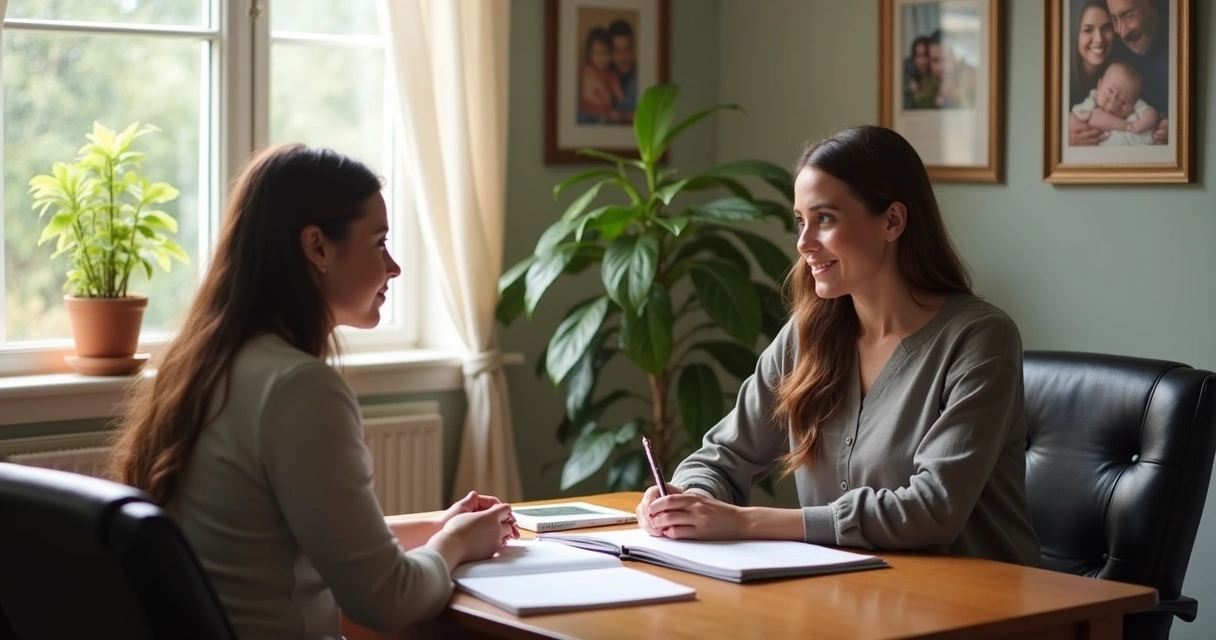
Once I was sure about my direction, the paperwork began. It was as if every detail of my life, finances, employment, health, relationships, needed to be checked and shared. It’s a little intimidating, but with each document, it feels more real, like you’re moving forward.
Every page signed feels like a silent promise to the child you haven’t met yet.
- Home study and interviews
The home study was something I dreaded and looked forward to at the same time. Would my home feel welcoming? Would I say the wrong thing? In truth, the social worker was kind and realistic, asking about my daily life and my plans for supporting a child. They checked the space, but also my heart. The process can take weeks or months, but it’s not a test, it’s a chance to prepare.
- Education and training
Most adoption routes require classes or training sessions. Topics range from attachment and trauma to understanding birth family relationships. At first, I thought, “I’ve read enough,” but in those rooms I learned things I never considered. Adoption education gives you tools to handle both everyday moments and big questions your child may have in the future.
- Matching and waiting
This part felt both exciting and endless. Profiles are considered, sometimes you’re chosen as a match, and sometimes your wait continues. I found it helped to stay busy. Some days I checked my phone constantly, jumping at every ring. Other days, I almost forgot about time passing. It’s a strange mix.
The waiting never gets easier, but hope slowly fills the quiet spaces.
- Placement and transition
When the call finally came, it was like stepping into a new chapter. Placement means introductions, maybe a meeting, maybe a week of visits. For older children, transition can take time. Patience and openness help both you and the child build a foundation during these first shared experiences. Sometimes transition goes smoothly, sometimes it climbs in fits and starts, in my experience, both are normal.
- Finalization and aftercare
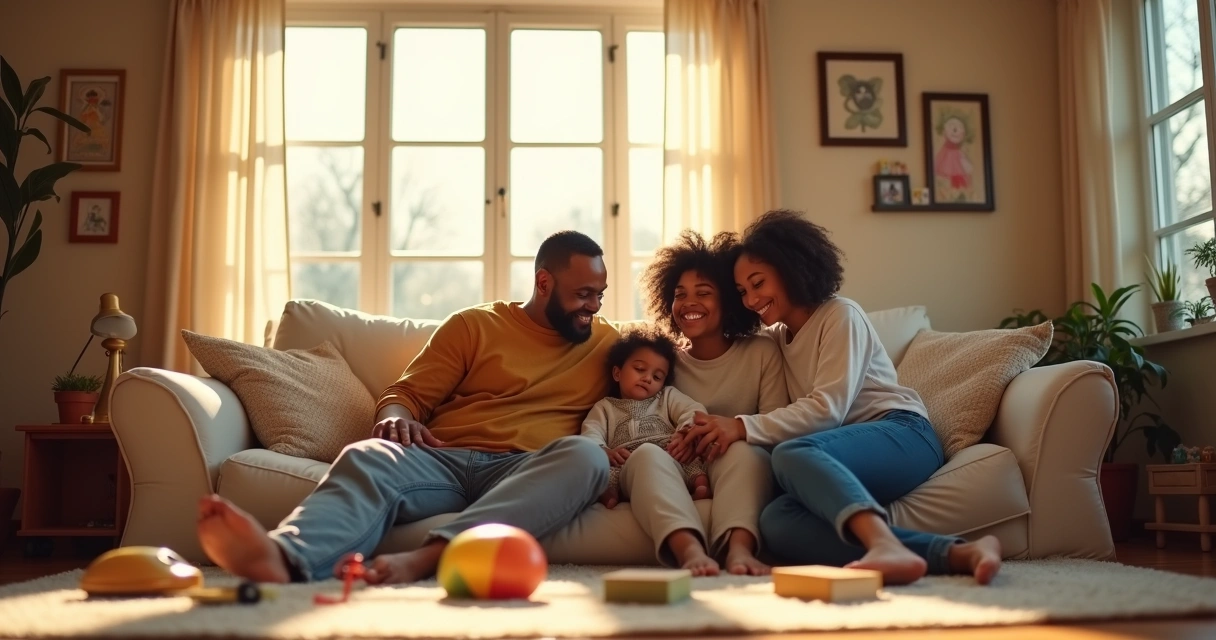
The final court date is an emotional finish line. Sometimes, it means a family celebration; other times, quiet relief. But adoption doesn’t end with paperwork. There may be post-adoption visits, paperwork, or counseling for everyone. Aftercare gives space for everyone, child and parents, to settle in, heal, and write their new story together.
What I learned along the way
Looking back, I see the adoption process as more than a sequence of tasks. It’s a journey of the heart, with as much learning about myself as about children. Whenever I felt overwhelmed, I tried to remind myself that each step was building a future, not just for me, but for the child who would soon be home.
Conclusion
Adoption is a real, sometimes messy, often beautiful path to bringing a child home. Each step means moving closer, in small but meaningful ways, to a moment you’ll never forget. I hope anyone considering it finds support, resilience, and moments of gentle joy along the way.
Frequently asked questions
What are the main steps in adoption?
The main steps include self-reflection, researching adoption types, choosing an adoption professional, submitting paperwork, completing a home study, attending training, being matched with a child, placement and transition, and finally, legal finalization and aftercare services.
How long does the adoption process take?
The timeframe varies a lot. In my research and from what I’ve seen, domestic adoptions can take anywhere from several months to a few years depending on circumstances, while international cases often last longer due to more paperwork and travel. Some foster care adoptions might move a bit faster, especially if a child is already legally free to be adopted.
How much does adoption usually cost?
Costs vary widely. Domestic private adoption may cost from a few thousand to tens of thousands of dollars. International adoption costs are often higher due to travel and legal fees. Adopting from foster care can sometimes involve little to no cost, with subsidies to help families.
What are the requirements to adopt?
Requirements depend on location and type of adoption but usually include being an adult, passing background checks, completing a home study, attending training, showing stable income and health, and proving you can provide a loving, safe home. Some agencies or countries may have extra criteria related to age, marital status, or health.
Can single parents adopt a child?
Yes, single parents can adopt a child. Many children have found loving homes with single parents, and agencies may provide extra support or resources depending on the situation. Being unmarried does not disqualify someone from adopting in most regions, though a strong support system is always recommended.