When I packed my bag for my last business trip, I almost forgot the universal adapter. Back in 2019, I’d never have worried—chargers and outlets could be quickly borrowed. But now, in 2026, even the small details of business travel hint at wider changes. It’s not the same world for professionals on the move, and I’m still adjusting, myself.
Travel routines: Familiar chaos, surprising comfort
Years ago, business trips meant a blur of crowded airports, long lines, and paper tickets. Now, my phone does most of the work—a single app checks me in, manages luggage, and opens my hotel room. I’ve even walked into meetings with only digital business cards. Yet, despite all this automation, some routines haven’t shifted as much as I expected. There’s still the pre-flight jitters, the sense of moving from one culture to another, and, for me, a secret enjoyment of hotel breakfasts.
Paper boarding passes have quietly disappeared.
Security, though, is nothing like before. Facial recognition, real-time scanning, and AI-powered risk assessment have replaced manual checks. The first time a biometric scanner identified me from a distance, I remember turning around to see who was watching. It was just the future getting closer.
New priorities: Safety, flexibility and well-being
Unexpectedly, the pandemic years changed the rhythm of business travel. I still feel a subtle unease in crowds, and I’ve noticed I’m not alone. Airlines and hotels invest more now in touchless services and clear sanitation, and health monitoring at travel hubs is discreet but present. Even seat spacing seems more generous on some flights.
Flexibility is the other big shift. Where once bookings were locked in, non-refundable, and risky, now change policies are relaxed. I can adjust dates up to the last minute, and many travel arrangements bend with my needs.
- More flexible cancellation options
- Remote check-in and check-out features in hotels
- Greater focus on air quality and cleanliness during flights
There’s also something gentler about the whole routine. Wellness programs aren’t just for five-star hotels anymore. Even budget stays offer yoga mornings or guided meditation streaming on the TV. I never thought I’d start a boardroom meeting more refreshed than at home.
Tech reinvents the journey
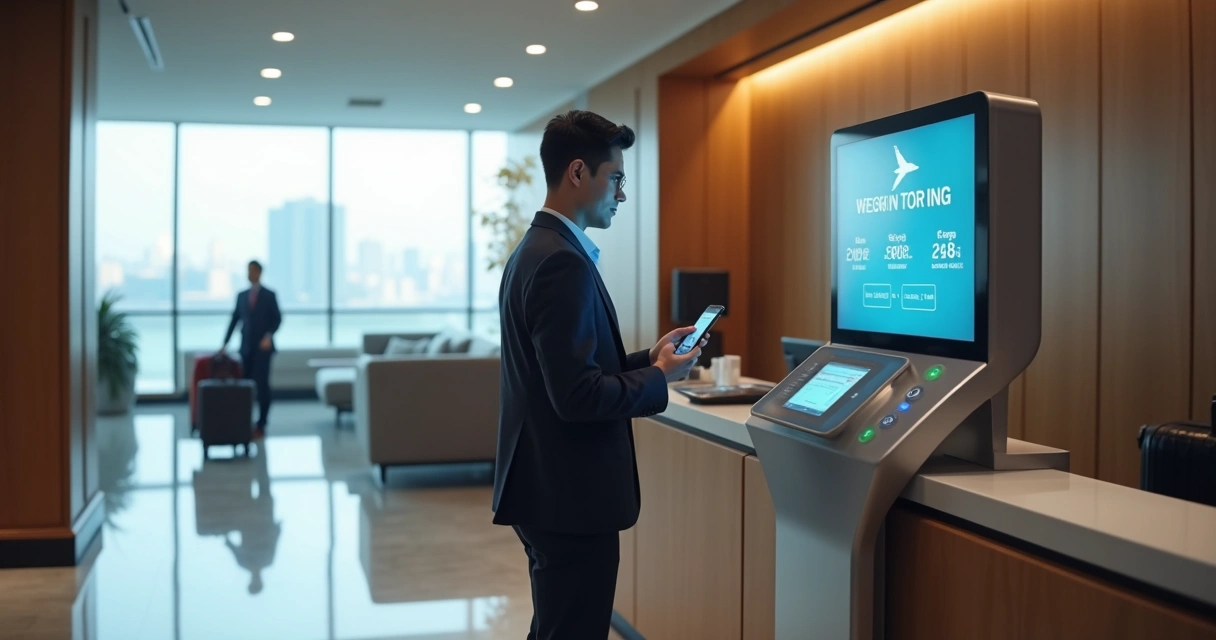
The biggest surprise of all, for me, is how normal remote work feels even when I’m traveling. Video conference booths at airports, AI note-takers in meeting rooms, and translation earpieces are just part of my day. No more panicked search for Wi-Fi passwords at every stop. Connectivity is constant, so missing out during transit almost never happens.
I remember a time when scheduling a global meeting meant chasing time zones and apologizing for jet lag. Now, smart scheduling platforms automatically propose the smoothest slot for all. Virtual reality (VR) meetings sound futuristic, but I have already used them for team-building exercises or product demos. It adds another layer to the remote-work toolkit.
- Voice-assisted booking and travel support
- Eco-routing for flights to reduce carbon impact
- Real-time travel alerts with interactive, predictive maps
It’s curious—while the gadgets and interfaces persistently improve, the way they fade into the background is what helps me focus on my real agenda.
The green agenda: Sustainability takes center stage
In my experience, climate concerns have changed how we view business travel. When I meet colleagues in person, most trips are now justified more thoughtfully. Fewer people fly just for a handshake. If a meeting makes it to the calendar, it’s usually high-stakes or strategic.
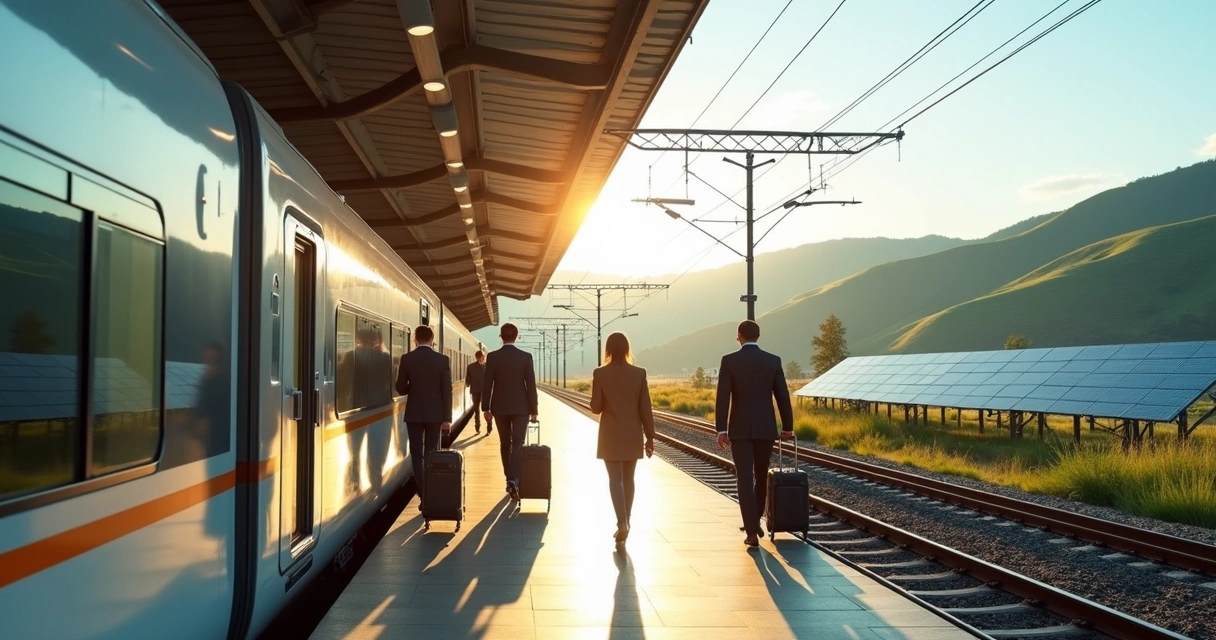
I sometimes struggle with guilt when booking a flight, so I appreciate that companies and travelers now weigh emissions and offset options more carefully. Even small steps become habits: choosing the train over a quick hop, or hybrid events that mix in-person with virtual. It’s not perfect, but it’s progress.
There’s a new pride in traveling smarter, not just more.
I’m also seeing more hotels marketed as carbon-neutral and flights with lower emissions. Some loyalty programs now reward climate-friendly choices, and these little nudges reshape how I plan a trip.
What travelers like me actually want now
The shift is not just about tools or schedules—it’s about different expectations. For me and for others I meet, the list of must-haves has evolved. Here’s what people like me care about:
- Reliable, high-speed connectivity everywhere
- Private working spaces on the go
- Seamless options for both virtual and in-person meetings
- Better work-life balance during travel
- Transparent pricing and fairer cancellation policies
It all feels more intentional now. The chance to meet someone face-to-face is special, not routine. When I get on a plane, I’m more selective about when, where, and why.
Perhaps I sometimes miss the constant pace of old business travel. But having choices makes it easier to say ‘yes’ to the trips that matter.
Conclusion: Business travel in 2026 feels different—and that’s not bad
Flying for work today is more connected, more flexible, and—in some subtle ways—kinder than ever before. The changes aren’t always obvious until you pause and look back. Everyone is a little more thoughtful about when to go, how to go, and how it all impacts life, the planet, and the bottom line.
Travel isn’t just about distance anymore. It’s about purpose.
When I next grab my suitcase, it won’t be just for another stamp in my passport. Now, every business trip is a chance to do things better. And honestly, I think I’m ready for it.
Frequently asked questions
What is new in business travel 2026?
Business travel in 2026 brings remote-friendly workflows, biometric security at airports, and flexible bookings as the new normal. Digital tools take away much of the hassle, with health and eco-consciousness deeply woven into each step. There’s an expanded focus on wellness and a stronger demand for intentional trips instead of frequent, routine travel.
How has business travel changed since 2020?
Since 2020, I’ve noticed business travel became less impulsive and much more automated. Safety protocols evolved, touchless technology became common, and health monitoring is subtle but ever-present. Environmental awareness changed how and why people travel, and there’s more blending between in-person and virtual meetings than ever before.
Is it worth it to travel for work now?
If a business trip brings real value—like building deeper connections or finalizing big deals—then it can be worth the effort in 2026. With more intentional travel, better health safety, and work-life balance tools, traveling often feels more rewarding than before. The decision really depends on your goals.
What are the best tools for remote business meetings?
Some of the best tools for remote meetings now include video conferencing suites with built-in real-time translation and AI note-taking, virtual whiteboards, and VR collaboration setups for deeper engagement. Integrated scheduling and secure cloud-sharing tools also shorten distances, so to speak, between teams.
How much does business travel cost in 2026?
Costs depend on the level of flexibility, the eco-friendliness of your choices, and how much customization you need. While smart tools help manage budgets, prices for eco-friendly travel, private workspaces, and last-minute booking flexibility can push expenses a bit higher compared to older styles. Still, the transparency in pricing and clear options often help with planning ahead.