Is it ever okay to check your partner’s phone? This question creates instant tension, doesn’t it? In today’s world, our phones have become our diaries, our planners, and even our closest friends. When relationships meet technology, boundaries can feel blurry and curiosity grows fast. I’ve often wondered about this myself. Let me share what I’ve learned, observed, and even struggled with around this complicated topic.
Why are people tempted to snoop?
I think it starts with curiosity. Maybe you notice your partner being secretive, spending extra time on their device, or hiding the screen when you walk by. Sometimes, it’s just a hunch or a gut feeling. I’ve felt this ache of doubt before, and I know how easy it is to start imagining worst-case scenarios when trust feels shaky.
But it’s not just about fear. Many people look at their partner’s phone seeking answers, safety, or proof. Sometimes it’s boredom or pure curiosity, while for others, it’s the hope of confirming fidelity or honesty. In my experience, our urge to snoop usually comes from:
- Feeling insecure or anxious in the relationship
- Past experiences of betrayal
- A recent argument or sudden change in behavior
- Lack of communication about digital boundaries
- Seeing others normalize snooping
The temptation is real. Sometimes, it feels almost justified. But is it ever truly right?
The trust equation: What does snooping do to a relationship?
Trust is the heart of every healthy relationship. When I think back to moments of doubt with my partner, I realize it wasn’t just about a phone—it was about something missing between us. Snooping might answer your questions, but at what cost?
I’ve read stories and listened to friends who thought that sneaking a peek would give them peace of mind. Yet, almost every time, it led to more suspicion and conflict. If you find something worrying, it’s hard to ignore it. Even if nothing is there, the guilt of invading someone’s privacy lingers.
Snooping damages trust, even if you don’t find anything bad.
Once boundaries are crossed, trust often suffers on both sides. The one who snooped might feel ashamed. The one whose privacy was invaded might feel betrayed.
Are there moments when checking is justifiable?
This is where things get complicated. In some partnerships, mutual consent exists: passwords are shared, or both people agree to open access. I know some couples who genuinely feel comfortable with this arrangement. For them, looking at each other’s devices doesn’t feel like an offence, but a symbol of transparency.
But without clear communication and permission, snooping slips into murky territory. Here are scenarios where it might be more understandable, but still needs caution:
- You suspect real harm, like infidelity, financial deception, or abusive behavior
- Your partner’s safety is at risk, such as signs of mental health crisis
- There’s a mutual agreement to have open access (not just unwritten rules)
Still, I believe these cases are more rare than most think. The urge to snoop usually comes from unresolved doubts, not real emergencies.
Privacy isn’t about hiding
It’s easy to confuse privacy with secrecy. I used to think they were the same, until I realized how much I value having things that are truly my own—little messages with friends, private notes, and silly photos.
I now understand that:
Privacy is a basic human need, even in loving relationships.
We all need some space to be ourselves. Having boundaries doesn’t mean you have something to hide. It means you are an individual, even while you are part of a couple.
I’ve also noticed that when I respect my partner’s privacy, our connection feels sturdier. There’s a special kind of trust in knowing you are allowed to have your own world, without anyone peeking in uninvited.

The emotional fallout: Guilt, shame, and regret
I’ve spoken with people on both sides of the experience—those who snooped and those who were snooped on. There’s always a ripple of unease, even when nothing “wrong” was found. Snoopers often feel crushed by guilt. Their partners might feel exposed or less safe in the relationship, whether or not anything private was discovered.
Even the suspicion of snooping can make someone withdraw.
Suddenly, the phone itself becomes a symbol of what’s broken: trust, respect, or safety. Conversations grow heavier. It’s harder to be open when you feel watched.
Healthy ways to handle suspicion or doubt
So, what can you do if the urge to peek becomes strong? I’ve learned the hard way, and watched friends wrestle with it too. Here are some steps that help me stay grounded:
- Pause and breathe. Ask yourself why you want to look at their phone in the first place.
- Talk about your feelings. You don’t need to accuse—just share your worries or insecurities.
- Agree on digital boundaries. Every couple is different. Discuss what privacy looks like for you both.
- Check your assumptions. Texts and notifications rarely tell the whole story.
- Work on rebuilding trust. If trust has cracked, focus on healing it through small, honest moments.
I find that when I skip conversation and jump straight to suspicion, I feel more alone. When I risk honesty—even if it’s awkward—we both usually feel better.
Technology, temptation, and healthy boundaries
Phones are designed to pull us in. Alerts, messages, and apps never stop. I think technology can both help and harm relationships, depending on how we use it. Setting clear digital boundaries is as important as discussing bigger issues like money or family plans.
I try to bring up digital privacy early in a relationship. It’s a lot easier than having a heated discussion after someone has already been caught snooping. An open chat about what’s okay and what’s not sets clear expectations. You might try these conversation starters:
- “How do you feel about sharing passwords?”
- “What messages or apps do you want to keep private?”
- “Do you want to talk about social media boundaries?”
Setting digital boundaries is a sign of respect, not a lack of love.
In my own experience, every couple finds their own mix of closeness and privacy. There’s no one-size-fits-all answer, but clarity is healthier than silent suspicion.
What if trust has already been broken?
When boundaries have been crossed, recovery is possible. I know couples who worked through breaches of trust, but it takes work. The first step is usually admitting what happened and talking about why. Avoiding blame and focusing on feelings can keep hurt from growing deeper.
If you’ve snooped, try to own up to it honestly. Share what drove you there, and be ready to listen to how it felt on the other side. If you’ve been snooped on, explain how your trust was affected and what you’d like moving forward.
Sometimes, external support—like a counselor—makes these conversations safer, especially if wounds are deep.
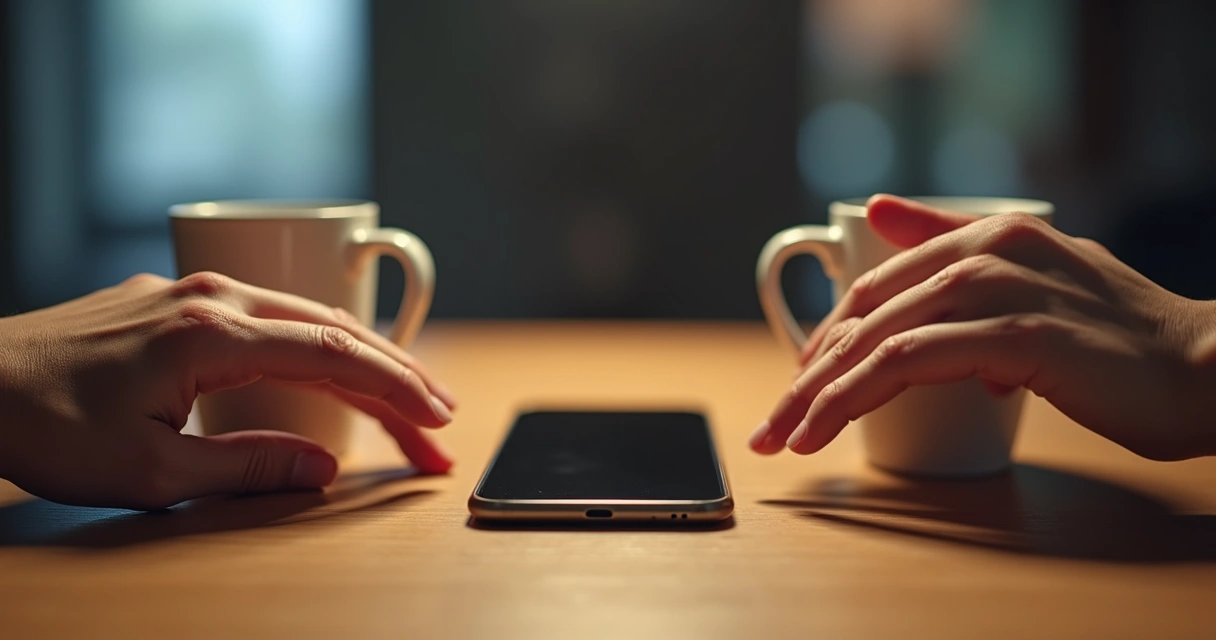
My conclusion: Is checking your partner’s phone ever okay?
After years of listening, feeling, and learning, here’s where I land:
- Without consent or a strong, clear reason, checking a partner’s phone is not okay.
- Snooping usually damages trust more than it fixes doubts.
- Healthy relationships are built on honest communication, not silent detective work.
- Mutual agreements, not secret actions, are the safest path to digital transparency.
When curiosity strikes, I remind myself:
Trust creates more safety than any secret search ever could.
If you’re wrestling with suspicion or secrecy right now, you are absolutely not alone. Every couple has different boundaries, but conversations about respect, trust, and privacy never go out of style. Sometimes, the best way forward isn’t through a screen, but through an honest, sometimes brave, discussion face-to-face.