When I first heard about intermittent fasting, I thought it sounded almost too simple to be true. Eat within a certain window, fast the rest of the time, and you might see improvements in health or even drop a few pounds. But as straightforward as it seems, there are important things to keep in mind if you want to start safely. In this article, I’ll break down the basics, share what I’ve learned, and offer steps to guide you through your own journey—without jargon, confusion, or unrealistic promises.
What is intermittent fasting?
If you’ve come across the term before but aren’t quite sure what it means, you’re not alone. Intermittent fasting (often called IF) is not a diet in the traditional sense. Instead, it’s a way of organizing when you eat, alternating between periods of eating and periods of fasting. The most common version is time-restricted eating, but there are a few ways to practice it.
Intermittent fasting means cycling between periods of eating and fasting within the same day or week. Rather than focusing on what you eat, IF emphasizes when you eat.
How does intermittent fasting work?
The idea behind intermittent fasting is fairly straightforward. During the fasting period, your body uses stored energy—often in the form of fat—for fuel. When you divide your day into an eating window and a fasting window, you let your digestive system rest, which some people believe helps support overall health.
During fasting, your body shifts from using sugar as its main fuel source to burning fat.
The eating window can be as short as eight hours, leaving the remaining 16 hours for fasting, but the timing varies based on which method you choose.
The most popular intermittent fasting methods
In my own experiments and research, I’ve seen three types of IF that are commonly practiced:
- 16/8 method: Fast for 16 hours, eat within an 8-hour window (for example, 12 pm to 8 pm).
- 5:2 method: Eat normally five days a week, and limit calories (often 500–600) on two non-consecutive days.
- Alternate-day fasting: Alternate between normal eating days and days of minimal calorie intake.
You don’t have to stick to a rigid plan. In my experience, what matters most is choosing a method that fits your routine and energy needs.

Potential benefits of intermittent fasting
Many people are drawn to IF for its possible health perks. I started because I wanted to feel lighter and more energetic, and I wanted to see if it could help me manage my weight. Scientists are still studying all the effects, but some of the potential benefits include:
- Weight management, as fasting may help reduce total calorie intake
- Better blood sugar regulation
- Improved digestion
- Increased focus and mental clarity
- Reduced inflammation, according to early research
Some people find that IF helps them simplify meal planning and become more mindful of what and when they eat. Still, results can vary widely. Not everyone will experience every benefit, and that’s perfectly normal.
Who should not try intermittent fasting?
I always remind people: intermittent fasting is not for everybody. If you have a history of eating disorders, are pregnant, breastfeeding, underweight, or have certain chronic illnesses, you should not start IF without careful medical advice.
Fasting is not a good idea for anyone with a history of disordered eating.
Children, teens, and people who take medications that need to be taken with food should also be cautious. Your safety comes first. If you’re unsure, talk to your doctor before making any changes.
How to get started with intermittent fasting safely
When I decided to give intermittent fasting a try, I made a few changes gradually. Sudden shifts can be tough on your body and mindset. Here’s how I recommend starting:
1. Pick a method that fits your lifestyle
Look at your current habits and choose a fasting window that does not disrupt your day-to-day life. If you wake up early or have evening plans often, an earlier or later window might be better. The goal is to make IF work for you—not the other way around.
2. Start slow and listen to your body
You don’t need to jump directly into a 16-hour fast. You might begin by shortening your eating window just a couple of hours, then building up over time.Start with a gentle 12-hour fast and add an hour each week, paying attention to hunger, mood, and energy.
3. Focus on balanced nutrition when you eat
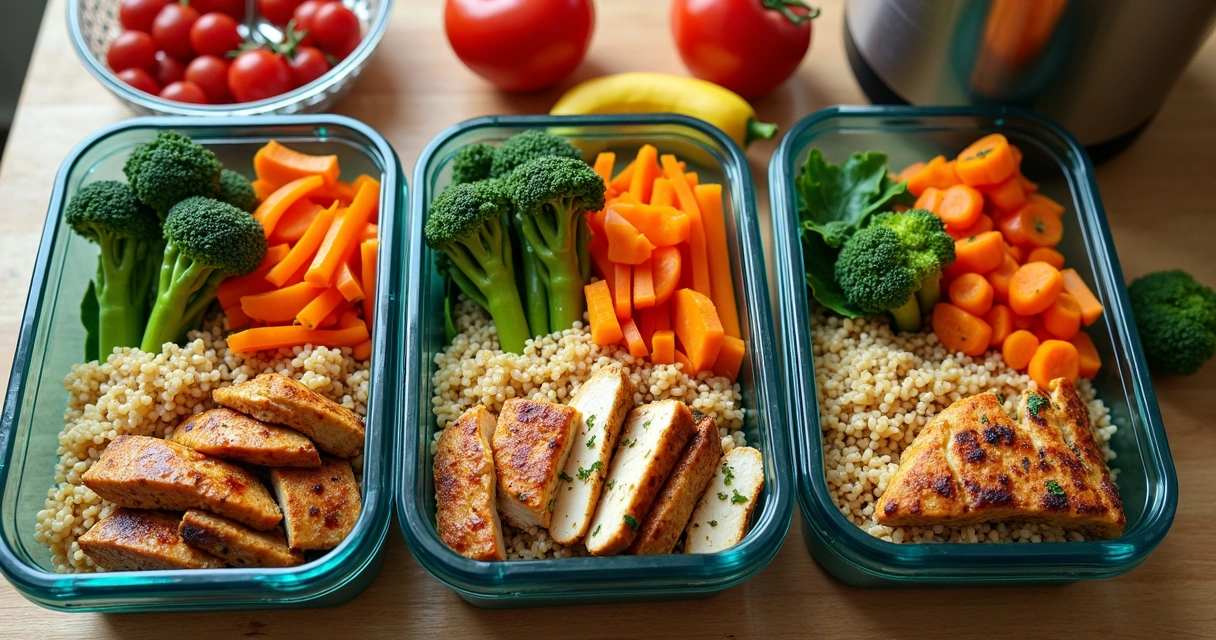
While fasting schedules get a lot of attention, what you eat still matters. In my own routine, I aim for meals with lean protein, healthy fats, whole grains, and plenty of vegetables and fruits. Skip processed foods and filling up on sugar—instead, look for foods that satisfy and nourish.
4. Keep hydrated
Your body needs water, especially during fasting. Drink water throughout the day. Unsweetened tea or black coffee (if tolerated) are usually fine, but avoid anything with calories while fasting.
5. Watch for side effects
As you start, you might feel hungry, tired, or irritable. If these feelings fade after a few days, that’s common. But if you feel dizzy, faint, extremely fatigued, or sick, it is wise to pause and reassess. Fasting should not harm your health.
6. Plan for social situations
Special events, family dinners, or travel can interrupt your fasting plan. This is normal. I find it helps to be flexible—shift your window when needed, or skip a day and return to your routine later. The long-term habit matters more than perfection.
Common questions about intermittent fasting
Can I exercise while fasting?
Yes, many people continue their usual workouts while fasting. In my experience, light to moderate exercise feels fine, but it depends on your personal energy levels. If you feel weak or dizzy, it is better to eat first and try again another time.
Will fasting slow down my metabolism?
When done properly, intermittent fasting does not slow your metabolism; in fact, some studies suggest it may slightly increase it. Very long, extreme fasts can be harmful, though, so the key is moderation.
What breaks a fast?
Any food or drink with calories will break a fast. Plain water, black coffee, and unsweetened tea are generally fine. The moment you add sugar, milk, or other calories, your fast technically ends.
Can I take supplements during fasting?
Some supplements can be taken while fasting, but some (like those with fat-soluble vitamins) should be taken with food. This is something you may want to ask your doctor or pharmacist about, especially if you have health conditions or take other medications.
Do many people experience hunger during fasting?
It is common to feel hungry in the early days of intermittent fasting—your body needs time to adjust. Drinking water or herbal tea can help take the edge off, and after a week or two, hunger tends to become more manageable for many people.
Final thoughts: Making intermittent fasting work for you
If you are curious about intermittent fasting, approach it like any new habit: with curiosity, patience, and self-compassion. For some, it can make eating and living feel simpler and lighter. For others, it might be more challenging. The real key is to focus on your body’s signals and be honest with yourself about what feels good and what doesn’t.
Listen to your body—it is the best expert you have.
Start small, adjust as needed, and remember that health looks different for everyone. This is about feeling better, not reaching a perfect number or fitting into someone else’s lifestyle.