If you have ever found yourself staring at the fridge late at night, not knowing what to eat and choosing cereal for dinner again, you are not alone. This used to be me—always choosing convenience food on the busiest days, then feeling disappointed with my choices. Over time, though, I have learned that meal prepping is not just for fitness enthusiasts or passionate home cooks. It is for anyone tired of decision fatigue, food waste, and rushed meals. Here, I want to share simple strategies I use to meal prep, even with a full calendar.
Why meal prepping helps when life gets hectic
Life moves fast. Work, family, trying to stay connected—sometimes food becomes a rushed afterthought. I remember many weeks where I barely sat down to eat. Meal prepping changed that rhythm. When meals are planned and ready, I eat better, save money, and feel less stressed. That last part is key.
You do not need to be perfect. You just need to be consistent.
I have noticed that the biggest barrier is often the idea that prepping has to be complicated or take a whole weekend. In reality, some of the most effective meal prep can be done in under an hour.
Setting realistic goals before you start
Before you chop a single carrot or cook a batch of rice, I think it helps to set clear, kind goals. For me, that means asking:
- How many meals do I want to prep?
- What types of food do I actually enjoy eating—even on tired days?
- What is my main reason for prepping? Health, savings, convenience?
If you are just starting, prepping lunches for three days is a gentle way to test what works best for you. When I tried to prep every meal for the week right away, I usually gave up. Less is more.
Choosing foods that work well for prepping
The biggest lesson I learned? Not every food holds up well in the fridge. Early on, I made salads that turned soggy and reheated eggs that became rubbery. Now, I stick to ingredients and dishes that actually improve or stay pleasant with time.
Some of my staples include:
- Brown rice, quinoa, or whole grain pasta
- Baked chicken or tofu
- Chickpeas, black beans, or lentils
- Roasted vegetables like carrots, sweet potatoes, or broccoli
- Simple sauces: pesto, tahini, or vinaigrette
These can mix and match, and the texture holds. For snacks, I cut veggies or portion out nuts, which saves minutes and reduces mindless eating.
How I plan a prep session step by step
Planning before you cook is worth it. I sit for five minutes and write down what meals I want—nothing fancy. Then I group similar tasks: chop all veggies together, bake proteins next, cook grains last. Here is how a typical session looks:
- Review fridge and pantry for ingredients to use up.
- Pick two or three recipes (one new, the rest easy favorites).
- Write a short grocery list and stick to it.
- Choose containers that seal well and are easy to stack.
- Set up a podcast or music to make the time go faster!
I batch similar tasks because doing all the chopping, then all the cooking, saves more time than making each meal one by one.
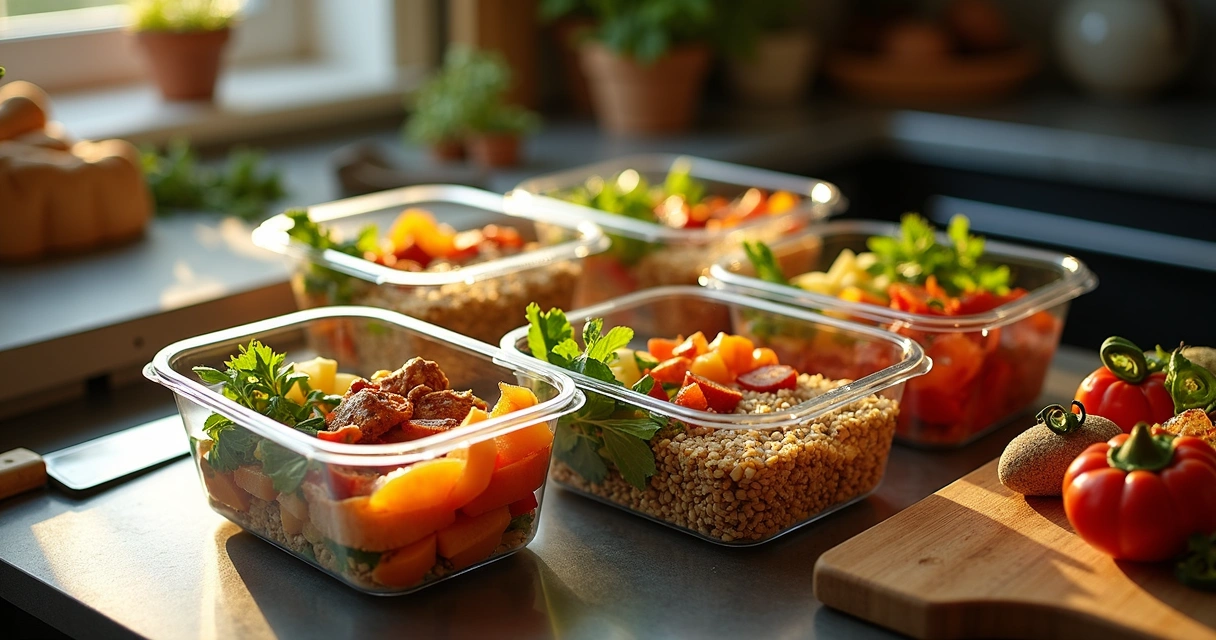
If you try this, you may notice that using your oven and stovetop at the same time really speeds things up.
Keeping it simple with build-a-bowl meals
The build-a-bowl approach has saved me on hectic days. Instead of following a strict recipe, I choose a base (like rice), a protein, and two or three toppings or sauces. Here are combinations I return to:
- Brown rice + diced chicken + broccoli and peppers + vinaigrette
- Quinoa + baked tofu + sweet potato and kale + tahini sauce
- Whole grain pasta + beans + spinach and cherry tomatoes + pesto
This way, I don’t get bored, even if the ingredients repeat. If I get bored, it’s easy to adjust the sauces or spices. You can completely change the mood with a little lemon or fresh herbs. I learned that variety is not about more work—it’s about small tweaks.
Storing and reheating meals the right way
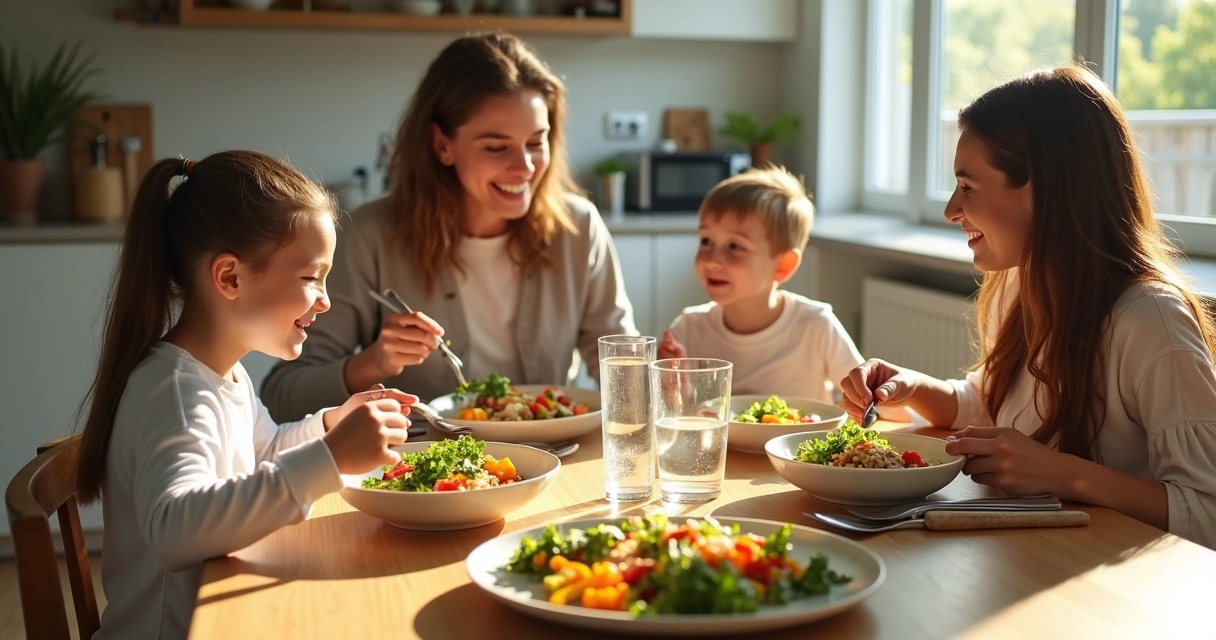
I have learned that storing meals well makes all the difference in freshness and taste. For cold items, I keep salads and chopped veggies in airtight containers. For hot meals, I divide everything into single portions, which helps with balance and reduces the urge to overeat.
Reheating in the microwave is quick, but I like to splash a little water or broth on rice or proteins so they do not dry out. Stir once halfway through heating—this brings back flavor and keeps textures pleasant.
Avoiding burnout and keeping it up long term
It is tempting to try to prep huge batches, but I find that prepping for three or four meals at a time is more sustainable. I rarely eat the same meal five days in a row, so switching up ingredients is key. If I have time, I freeze leftovers for future weeks, which comes in handy if plans change.
Food should support your life, not rule your schedule.
Small habits, like cutting a few vegetables when unpacking groceries or doubling a recipe when cooking dinner, have helped me keep up. These don’t feel like chores after a while—they feel like a kindness to my future self.
Simple tricks I use for even less effort
After plenty of trial and error, I use some tricks to keep meal prep running smoothly:
- Buy pre-washed salad greens and precut veggies when I am truly short on time.
- Invest in a set of containers that match, so stacking and storing is easy.
- Keep a list of quick recipes taped to the fridge for busy days.
- Always prep a couple of snack items to prevent vending machine runs.
- Pick one day a week (Sunday afternoons for me) to shop and prep, but stay flexible.
When prepping feels overwhelming, I remind myself that even one or two planned meals per week can make a difference in how I feel all week long.
How to get started without stress
If you want to try meal prepping, but it sounds intimidating, start with just one meal per day—like lunch. Choose meals you know you enjoy, and do not be afraid to repeat favorites. Over time, you might find yourself getting creative and customizing the process.
Start with what fits your life, not someone else’s perfect plan.
Looking back, I see that meal prepping helped me cut stress, eat better, and carve out more time for myself and what matters. It never has to be flawless. It just has to help you out when you need it most. That, to me, is the power of simple meal prepping.