Every month, these choices circle back. For many years, I reached into the box for a tampon, never really questioning if there was a better way. But when the world of menstrual hygiene opened up beyond just pads and tampons, I realized there was so much more to consider about comfort, safety, and lifestyle. Picking between menstrual cups and tampons isn’t just a technical decision—sometimes, it even feels personal.
Understanding how each one works
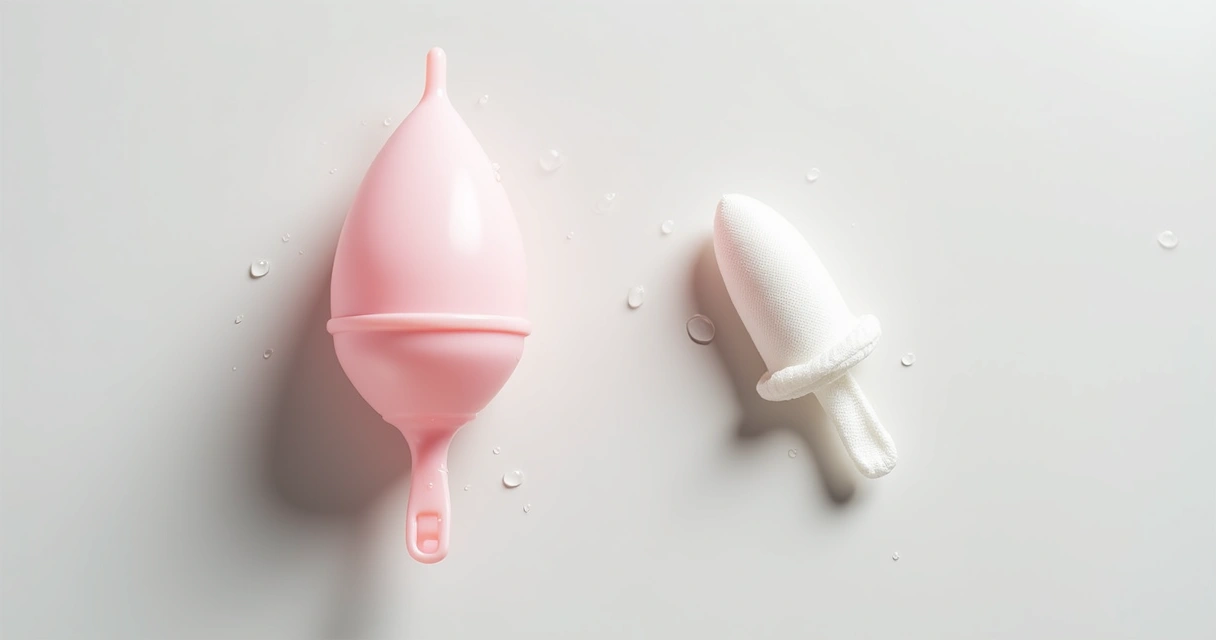
When I first read about menstrual cups, the idea seemed unfamiliar. Unlike tampons, which absorb menstrual flow internally, a menstrual cup collects the fluid. Tampons are small, often cotton-based, and designed for single use. Cups are usually made from medical-grade silicone and are reusable for several years. That idea alone—one product to last years—caught my attention.
Here’s a brief breakdown:
- Menstrual cups: Flexible, bell-shaped cups inserted into the vagina to collect blood, then emptied, washed, and reinserted.
- Tampons: Small absorbent cylinders inserted into the vagina, designed to be worn for a few hours, then discarded.
Change happens when curiosity meets courage.
Safety: What should I be concerned about?
The science and some occasional anxieties
I remember the flurry of questions I had: How safe are menstrual cups compared to tampons? Am I risking infection either way?
Both menstrual cups and tampons are generally safe when used as directed. That’s a fact supported by many gynecologists. However, safety hinges on one big thing—how they’re used.
Risks with tampons
- If you leave a tampon in for too long, especially over 8 hours, you raise your risk for Toxic Shock Syndrome (TSS), a rare but serious infection.
- Some people may have sensitivities to tampon materials, or experience dryness from higher absorbency tampons.
Risks with menstrual cups
- Improper cleaning can sometimes lead to infections, but the overall risk of TSS is low, possibly even lower than with tampons.
- Rare cases of irritation or allergies may happen, especially if you choose a cup material that doesn’t suit you.
After weighing these, it always boiled down for me to this: If you follow insertion, removal, and washing guidelines, both methods are considered safe for most people.
Comfort: The heartbeat of choice
Comfort surprised me as the biggest deciding factor on my own journey. I used to worry that cups would feel cumbersome, or that tampons could dry me out, but small details made big differences.
My experience with tampons
- Quick and discreet, easy to carry in my bag.
- Sometimes, especially on light flow days, I’d feel a little dry or mildly irritated.
- On long days, anxiety about changing it “on time” crept up.
My first few days with a menstrual cup
- Learning curve: I needed patience and practice for a perfect seal. The first tries weren’t smooth.
- Once I got it right, I almost forgot it was there. Truly—no shifting, hardly any leaks.
- Emptying the cup in a public restroom? Less convenient, I admit, but rarely urgent because of the long wear time.
Comfort sometimes arrives quietly, after the awkward beginning.
Menstrual cups usually hold more fluid and can be worn for up to 12 hours, offering a sense of freedom during travel or sleep.
Environment and wallet: Not always top of mind, but they matter
For ages, I tossed tampons and their wrappers into the trash, never stopping to think about where they ended up. Then, I heard that a person using tampons can discard thousands over a lifetime.
- Menstrual cups: One cup can last up to 10 years, with only periodic cleaning and eventual replacement.
- Tampons: Most are single-use, so you buy and discard throughout the year, leading to more waste and frequent repurchase.
I found that for my budget, the upfront cost of a cup feels bigger, but it pays off quickly. Tampons cost less at the register each time—but add it all up, and the math shifts. Environmental impact may not be front and center in every decision, but it did stick with me after seeing the numbers.
Ease of use: Learning, adapting, and that awkward phase
This part can be the dealbreaker for some. Tampons are often easier at first. We’re used to them, and the steps repeat monthly. Menstrual cups? They require a bit of a learning curve. In my experience, it took a couple of cycles and watching a few instructional videos before it felt natural.
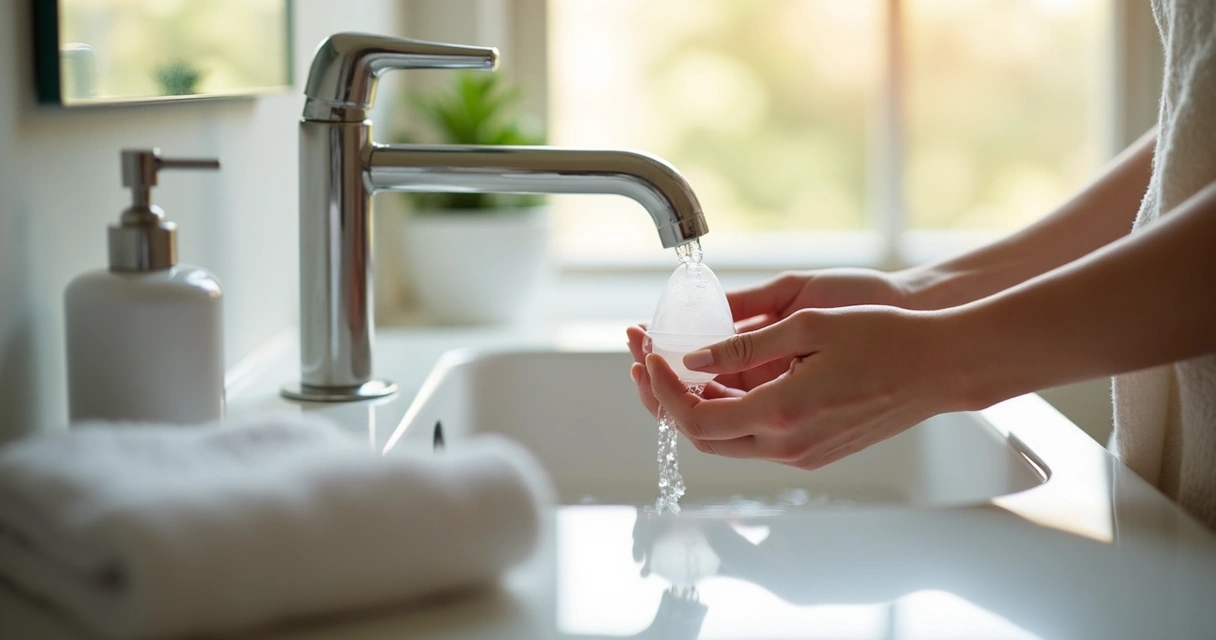
On the bright side, once the cup is inserted correctly, it’s easy to forget about it for hours. Cleaning is something to plan for, but for many, the convenience outweighs the awkward start.
So, which should you choose?
When I look back at my own transition, I realize there’s no single right answer. Everyone’s body, routine, and comfort zone are different. Tampons offer familiarity and ease, while menstrual cups can provide long-term comfort, value, and less waste, with some initial adjustment. It all comes down to your preferences, your willingness to try something new, and your daily life.
If I had to choose one piece of advice? Be open to trying both—sometimes, it takes tasting new experiences to find your favorite. And if one doesn’t suit you, that’s perfectly fine. Your comfort and confidence matter most.
Frequently asked questions
What is a menstrual cup?
A menstrual cup is a reusable device made of flexible silicone or rubber that’s inserted into the vagina to collect menstrual blood, rather than absorb it. It’s designed to be emptied, washed, and reinserted, so you use the same cup each cycle.
How do menstrual cups compare to tampons?
They both serve the same purpose: menstrual management. In my experience, menstrual cups usually hold more fluid and can last for up to 12 hours between emptying. Tampons are disposable, need changing every 4-8 hours, and are generally easier to start with for beginners. Both are discreet, but cups need more learning at first.
Are menstrual cups safe to use?
Yes, menstrual cups are considered safe when used according to instructions—cleaning regularly and emptying as needed to avoid irritation or infection. Infections and rare issues like Toxic Shock Syndrome are less common with cups than tampons, but the basics of hygiene are always key.
Which is more comfortable: cup or tampon?
There’s some personal trial and error here. For me, a menstrual cup became more comfortable once I learned how to insert it correctly—no dryness and very little leaking. Tampons are often easier to get used to, but can sometimes feel dry, especially on lighter days. It really comes down to personal anatomy and preference.
How much does a menstrual cup cost?
Most menstrual cups cost more up front (often around the price of two or three boxes of tampons), but can last several years. Tampons seem cheaper per box, but the ongoing cost adds up quickly. Over time, a cup is often less expensive than regularly buying disposable tampons.