Everywhere I look, people seem to be talking about either plant-based diets or keto. Friends debating them over dinner, coworkers trading recipes, and countless posts flowing through social media. It’s easy to feel a bit lost in the noise. I have found myself wondering: Which of these diets will actually help me reach my own goals?
Today, I want to take you on a clear, practical journey comparing plant-based diets and keto. I aim to answer questions, share what I’ve seen in real life, and help you consider which path might fit best into your routine, preferences, and ambitions.
How plant-based and keto diets work
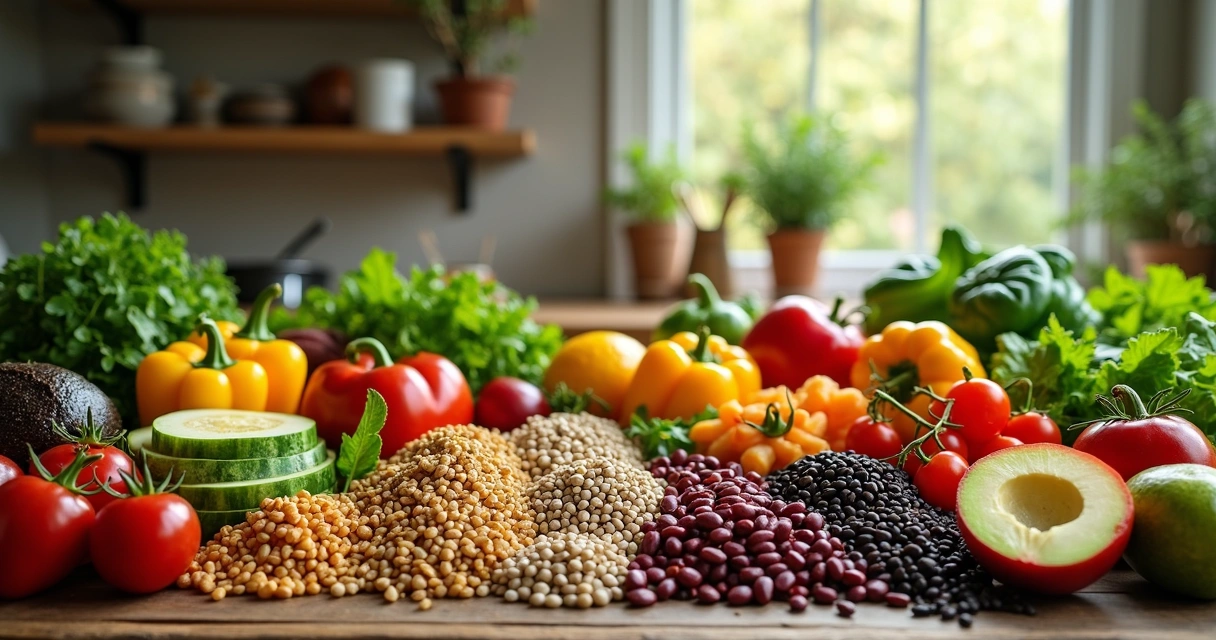
First, let’s set the stage. Plant-based diets focus on eating foods that come from plants. That includes vegetables, fruits, grains, legumes, nuts, and seeds. Some people go fully vegan, cutting out all animal products. Others keep a little flexibility, maybe including eggs or dairy now and then. The main point always stays the same: plants take center stage.
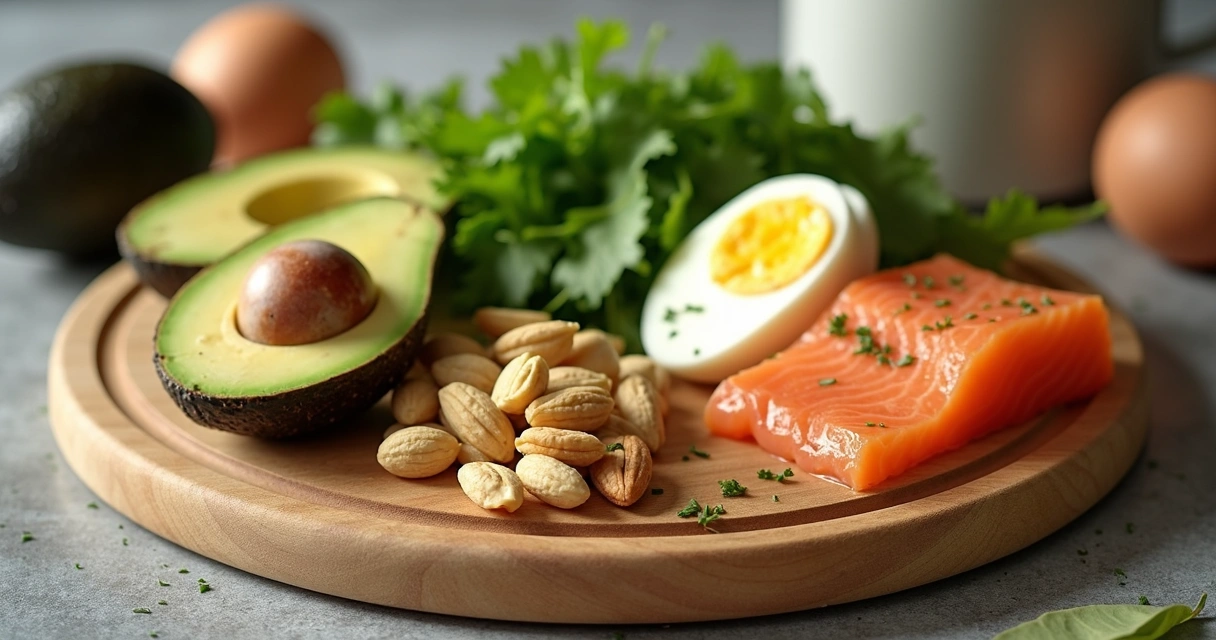
Keto, on the other hand, is almost the opposite when it comes to carbohydrates. It puts fat first. The goal is to eat very few carbs, enough protein to keep your body working well, and get most of your energy from fats. When you do this for a while, your body starts burning fat for fuel instead of sugar. This state is called ketosis.
Strong habits make strong results.
What are your goals?
Before I compare diet plans, it’s smart to ask yourself: what do you really want from your food choices? Do you want more energy? Are you aiming for weight management? Is long-term health your main focus? Here are some of the goals I hear most often:
- Weight management
- Better heart health
- Stable blood sugar
- Clearer skin or less inflammation
- Greater energy and focus
- Helping the environment or animal welfare
I recommend picking just one or two goals to guide your decisions. Otherwise, it’s easy to feel pulled in too many directions at once.
Weight management: Which helps more?
In my experience, both plant-based and keto diets can help with weight control, but they approach it differently.
Plant-based diets are often lower in calories because fresh fruits and vegetables are filling but not dense with energy. For many, simply loading up on greens, beans, and grains means the body naturally finds a balanced weight, especially if junk food and sugary drinks are out of the picture.
On a plant-based plan, you’re eating large meals without piling on the calories.
Keto, meanwhile, often leads to quick weight loss—especially early on—because of how the body uses energy when carbs are limited. Many people say their hunger drops on keto, making it easier not to overeat. Fat and protein help you feel satisfied. However, the rapid weight loss is sometimes due to water leaving the body first, not fat. Real maintenance depends on how well you stick with the plan over time.
So, if your main goal is steady weight loss and you like eating lots of plants, plant-based works well. If you want fast results and don’t mind giving up most carbs, keto may appeal to you.
Heart health and long-term wellness
I’ve read a lot about how plant-based diets seem to shine for long-term heart health. When your meals focus on beans, oats, leafy greens, and nuts, your cholesterol and blood pressure can benefit. Fiber from plants helps clear cholesterol from the bloodstream—a big win for the heart.
Plant-based eating lowers the amount of saturated fat and boosts healthy fiber in your diet.
Keto can also improve some heart health markers, especially triglycerides and HDL (“good” cholesterol), but it’s heavily influenced by the kinds of fats you choose. If you eat a lot of animal fats and processed meats, that could work against you. On the other hand, if your fat comes mostly from nuts, olive oil, or avocados, the results may be different. I believe the details matter more than the label sometimes.
I personally feel more at ease recommending plant-based for heart health, but it’s key to watch out for sneaky sources of salt and oils that sometimes creep into packaged vegan options.
Blood sugar and energy levels
Keeping my energy steady through the day is high on my wish list—and I think it’s important for most people. On that note, here’s what I’ve found about both diets.
Plant-based diets packed with whole grains, beans, and fibrous vegetables release sugar into the bloodstream slowly. That means fewer spikes and crashes, which helps with steady energy.
Keto keeps blood sugar very low simply by removing almost all carbs. People with insulin resistance or certain metabolic concerns sometimes report better focus and more even moods when following keto protocols. But I have also heard of people feeling tired the first few weeks on keto—your body has to adapt.
If you value slow and steady energy without extremes, plant-focused eating has a proven track record.
If your blood sugar swings wildly and you struggle with carb cravings, keto may offer a reset and help you learn to rely less on sugar-driven snacks.
Gut health and inflammation
Gut health is a growing focus these days, and for good reason. Much of the bacteria that keep our bodies healthy thrive on fiber—found almost only in plants.
Most plant-based diets easily cover fiber needs, which supports regular digestion and reduces inflammation. Many nutrition scientists now look at a healthy gut as a foundation for better immunity and mood, too.
In contrast, keto restricts many fiber-rich foods, especially grains, beans, and most fruits. While it’s possible to get enough fiber through low-carb veggies and nuts, it usually requires more attention. I find some people do well with this, especially if they eat lots of leafy greens and seeds, but others experience constipation or changes in digestion at first.
Plant foods feed good gut bacteria.
Adherence and social life
I’ve been to enough family events and dinners with friends to know that the “best” plan is the one you can actually stick with. Plant-based eating can be easy in many places—almost every restaurant offers salads, rice bowls, or grilled veggies. Socially, it’s not hard to explain, and sharing big plates of roasted veggies often brings people together.
Keto might be trickier. Bread baskets, pizza nights, or dessert tables can all bring challenges. Explaining keto can sometimes feel more complicated, especially if you are the only one skipping carbs. That said, some communities and groups love low-carb meals, and support is key.
Environmental and ethical factors
If caring for the planet or animal welfare is among your top goals, plant-based eating takes a clear lead. Plants require less water, less land, and create less pollution compared to raising animals for food. In my view, even small changes—like one plant-based meal a day—can have a ripple effect on nature.
Plant-based diets tend to have a lower environmental impact than meat-heavy or high-fat eating styles.
Keto does not always include a lot of animal-based foods, but commonly it leans in that direction due to recommended fat sources. If you try keto and want to live lightly on the earth, you can still focus on plant-based fats, like seeds, olive oil, and avocados.
So, which is better for you?
I can’t choose for you, but I hope you now see the trade-offs more clearly.
- Plant-based is friendly for heart health, steady energy, and the environment.
- Keto may work for people needing fast weight changes or specific blood sugar control, but it takes careful adjustment and isn’t for everyone.
- Your preferences, cooking skills, and support systems all play a role in success.
If you are drawn to both, you don’t have to commit fully to one side. It’s possible to try a plant-based version of keto using only plant fats—think nuts, seeds, and avocados—though it can be more restrictive.
Tips for making the best diet choice
Whichever path you pick, here are practical steps that helped me:
- Write down your main reasons for changing your diet.
- Tell friends or family so they support you or even join in.
- Start with easy recipes and a simple weekly plan.
- Listen to your body and adjust if you feel tired, irritable, or very hungry.
- Remember: A single meal doesn’t define your journey.
Consistency matters more than perfection.
Whether you go green or go low-carb, your daily effort is what shapes your results. For me, starting small and learning as I go made all the difference. In the end, the best diet supports not just your goals, but your quality of life too.