It took me years to understand that sometimes, stepping back can do more for a relationship than always being present. Giving space is not only a sign of trust, but also forms a crucial part of healthy interactions, whether we are talking about partners, friends, or family. I have learned the value of silence and distance in my own journey, and I hope to share why “less contact” can sometimes be exactly what both people need.
Why do we struggle to give space?
In a world where we are always connected, the idea that stepping back could actually bring us closer can sound strange. I used to believe that love and loyalty were proven through constant messaging or checking in. But, with time, I saw that this can sometimes feel suffocating for both sides.
I noticed that:
- Many people fear that giving space means pulling away emotionally.
- Movies and stories often portray “true love” as always wanting to be together.
- Some people are simply afraid of being forgotten or replaced.
These beliefs are common, but the truth is a bit different. In fact, giving space is about respect, not neglect.
What actually happens when we give space?
The human mind is wired to need both connection and independence. When we give someone room to breathe, we let them process their feelings and thoughts without pressure. From what I have seen, this can lead to:
- Greater appreciation for shared moments
- Personal growth on both sides
- More meaningful communication
The healthiest relationships allow for both “togetherness” and “apartness.”
When I first put this into practice, I worried that my friends or my partner would drift away. To my surprise, we actually grew closer. I also noticed how I felt less drained and more myself.
The science behind why space matters
Psychologists often say that healthy boundaries are a foundation of trust. When I looked into the research, I found that people with high self-awareness tend to value and provide space in relationships. These boundaries help us stay connected to our identity, needs, and goals.
Here are some simple reasons why giving space works:
- The brain processes emotions better with time away from triggers.
- Absence allows for reflection and emotional regulation.
- Independence builds confidence and self-worth.
At first, these may just seem like facts. But for me, living them changed my perspective. I no longer expect to solve every argument right away. Sometimes a pause leads to much better solutions.
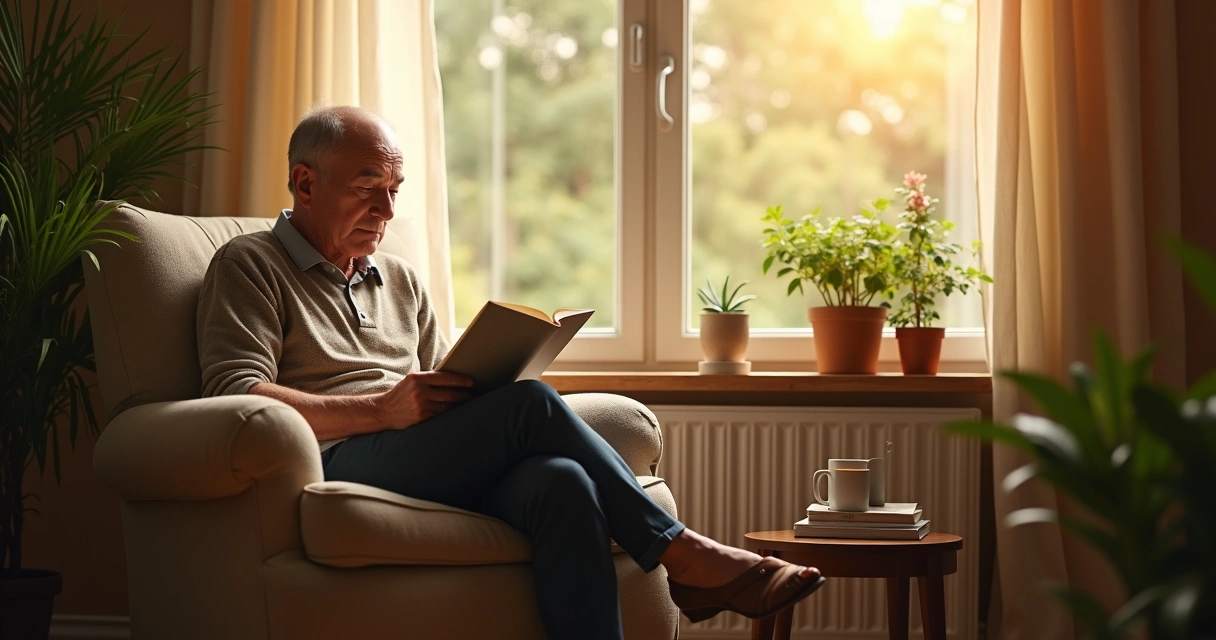
The difference between isolation and healthy space
It’s easy to confuse giving space with neglect. Still, there are clear signs that separate the two. In my experience, healthy space means both people know why they are stepping back and feel safe about reconnecting. That’s very different from silent treatment or stonewalling, which are ways to punish or avoid.
- Healthy space has clear communication: “I need some time to think, but I care about you.”
- Neglect feels cold and leaves the other person feeling unsure or abandoned.
- Boundaries respect both individuals instead of hurting one as a strategy.
I like to remind myself that space given out of love is always paired with reassurance, not threats or guilt.
How to give space without risking the relationship
This part can be tricky, especially if you are worried about misunderstandings. I’ve found some approaches that make the process easier and safer:
- Talk openly: Say clearly when you need space, and why. A little honesty avoids confusion.
- Set expectations: Let the other person know how long you’ll be unavailable, if possible, and when you’ll reconnect.
- Be consistent: Show that you take space as a normal part of life, not something dramatic.
- Listen to their needs too: Sometimes, the other person is craving space more than you realize.
I once told a close friend, “I’m feeling overwhelmed, but it’s not about you. Can I take a few days to recharge?” They appreciated that honesty so much that our bond became even more solid.
What does healthy space look like daily?
Space can be very simple. It does not have to mean long separations or big declarations. In my routine, it has shown up as:
- Enjoying hobbies alone, like reading, running, or drawing
- Scheduling “me time” after busy weeks
- Turning off my phone for a few hours to focus on myself
These are little things, but they recharge me. And I’ve seen my relationships become lighter and less tense as a result.
When less contact is actually more
You might ask, “How do I know when less contact is the better choice?” I like to pay attention to three signs:
- Tension builds when we talk too often about small things instead of big ones
- I feel tired or resentful after long periods of togetherness
- The other person seems distant or asks for space themselves
Absence can give perspective, and perspective brings understanding.
What are the risks of always being connected?
It may seem strange, but too much closeness can blur boundaries and create stress. I have found that:
- People can lose a sense of their own identities
- Small annoyances get amplified when there’s no break
- Good intentions start to feel like pressure
At first, I felt anxious about pulling back. But the longer I trusted the process, the more I noticed how much better my conversations became and how issues seemed smaller after some distance.

When giving space is not the answer
Not every situation can be solved through less contact. If trust has been broken or if someone feels truly abandoned, it may be time for a direct conversation.
Giving space does not mean ignoring real problems or hoping they go away on their own. It’s about making room for clear thinking so both sides can come back and talk with more calm.
My closing thoughts on giving space
Looking back, I wish I had understood this principle sooner. When we let go a little, people have a chance to come back on their own terms. We are not designed to be everything to everyone at all times. The most caring thing can be to step aside for a moment, breathe, and trust the connection to hold.
Healthy boundaries let love and respect grow.
If you are struggling with the urge to always be present for someone, consider taking a step back—not as a way to create distance, but as an invitation for both of you to appreciate the relationship even more.
Space can be a gift, not a threat. In my experience, less contact sometimes means much more heart.