If you have ever tried to follow a diet, you probably know the feeling: motivation soars for a while, then energy dips, old habits sneak back, and guilt soon follows. I have lived through this cycle more than once. Over time, I started to notice a pattern not many people talk about: healthy eating for the long term is less about rules and more about perspective. Let me share what I wish I’d known much earlier.
Dieting is not just about food
I used to think that my food choices were all that mattered for weight loss and health. But in my experience, what you eat is only part of the story. Sustainable dieting has as much to do with your habits, mindset, and even your social life.
What really matters: your daily life, not what’s on your plate for one meal.
Here’s what I mean. I have seen people stress over a piece of cake at a party. They blame themselves for “cheating,” and sometimes give up right after. But if your intention is to stay healthy for the rest of your life, one piece of cake changes nothing. The bigger challenges are:
- How you manage slip-ups
- How you feel about your choices
- How you talk to yourself afterward
So, food is only one piece. Emotional reactions are just as key.
Willpower is not the ultimate answer
For a long time, I believed that if I just tried harder, I could get through any temptation. But it turns out, willpower is not a reliable resource for most people, especially during busy or stressful times. Instead, the environment and your routines play a massive role.
In the beginning, you might have energy to say no to dessert or fries. But eventually, old patterns win if your life is set up the way it always was. I started to set up my kitchen differently, plan my groceries, and surround myself with ready-to-eat healthy snacks. Suddenly, willpower was less important.
Small changes in your surroundings can do more than sheer determination ever will.
When you put supportive choices in your way and make less-healthy ones harder to reach, you are playing your own game in easy mode.
Sustainability means real flexibility
A lot of popular diets make strict promises: “Never eat this again.” “Only eat between these hours.” At first, I tried to follow these rules. But every holiday, trip, or stressful week threw me off, and sticking to the plan felt impossible.
Over time, I started asking myself: would I keep doing this for years? If the answer was no, I toned it down. No single meal, week, or snack will define your journey.
Flexibility is powerful. It allows you to:
- Eat your favorite foods (sometimes) without guilt
- Adjust when life shifts, travels come up, or seasons change
- Feel less anxious about food and more present in other moments
True flexibility means you don’t fear food or situations. You just live—and make reasonable choices most of the time.
Weight loss is not always predictable
One thing almost no one told me: sustainable diets rarely create the rapid, steady weight drops shown in ads or dramatic stories. Real bodies respond differently, and progress comes in waves.
I have had weeks where I followed my plan closely and nothing changed. At other times, a carefree week brought surprising results. The human body adapts to what you feed it. It resists change, and sometimes needs a maintenance period to reset.

Here’s what surprised me most: plateaus are not failures, they are part of the process. If you expect these moments, it’s easier to ride them out without panic. Sometimes progress is invisible at first—for example, as your strength or energy increases, the scale might not budge right away. The more patient I became, the better my results.
Social life can be your ally or your undoing
I never hear enough about how much social habits matter. For me, birthday parties, dinners, and drinks often became hurdles. At first, I thought I had to avoid them to stay on track, but that only made things worse. I felt isolated or resentful.
Now, I approach social events differently:
- I focus on conversation and connection
- I eat a snack before some parties, so I am not starving when food arrives
- I allow myself to enjoy the same foods as others, but pay attention to my hunger and fullness cues
Friends and family often take cues from my attitude. When I am relaxed and honest, they are supportive. I have learned to say, “I’m making choices that work for me today,” and leave it at that. Most people don’t notice or care as much as we fear.
Perfection is a myth that makes everything harder
One of the hardest lessons I learned is that the need for a perfect diet is what actually breaks it. The idea that every bite must fit a plan, or else the whole week is ruined, sets us up for failure.
Perfect eating is impossible to sustain, but good enough eating is possible every day.
In my experience, I make far better choices if I let a few less-than-ideal meals slide, instead of letting one slip spiral into quitting. This simple shift—choosing consistency over perfection—turned my results around, and made the whole idea of “diet” feel much lighter.
Your relationship with food will change—sometimes slowly
At the start, I thought I would always crave the same things. Over time, my cravings actually shifted, once I removed the pressure and guilt from eating. For example, sweet treats used to call my name nightly. Now, those cravings show up less, and when they do, a small taste often satisfies me.
I never forced myself to give up the foods I loved. Instead, I added new tastes, learned to cook in simple ways, and slowly noticed old foods felt less important.
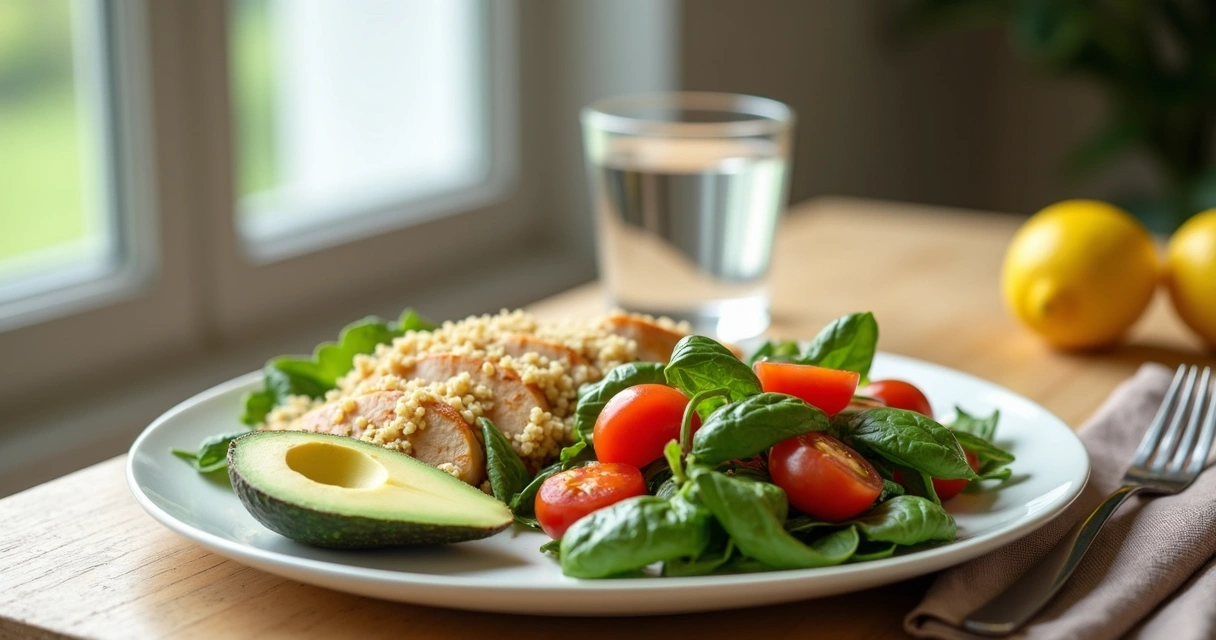
This is something no one warned me about: your relationship with food can evolve if you stop making it the enemy and start listening to your needs. The best part is, this change feels natural, not forced.
How to build a sustainable approach
After years of trial and error, I found that diet changes stick when they work for your real life—not an imaginary perfect day. Here’s what helped me, and might help you:
- Set simple, reasonable goals you can actually do, not what you wish you could handle on the hardest day
- Look for improvements in energy, sleep, and mood, not just weight
- Plan for imperfect days and decide how to get back on track without guilt
- Notice little successes—more veggies, a new home-cooked dish, feeling more confident at a social event
If a change feels impossible to keep for a year, it is not sustainable for a lifetime. Adjust until your approach feels just a bit uncomfortable, not overwhelming. It will become easier the longer you stick with it.
Final thoughts
I used to think successful dieting meant strict rules, fast results, and a long list of forbidden foods. Now, I see those things rarely work for real people. The real secret no one tells you is this: long-term change is built on self-forgiveness, flexibility, and a willingness to begin again—again and again.
When you focus less on perfection and more on daily progress, not only does your health improve, but life becomes lighter, more enjoyable, and much more sustainable.